


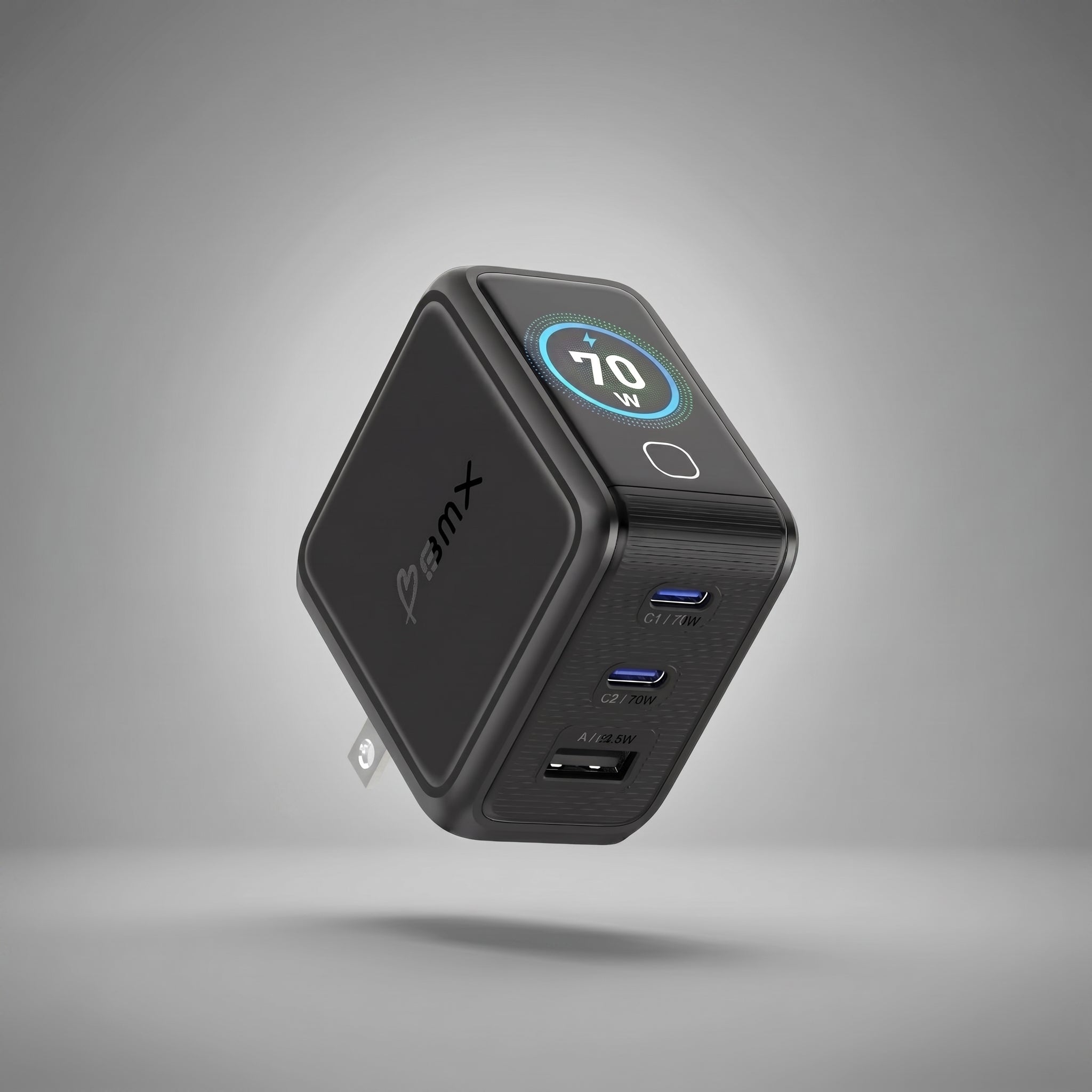


Quick answer: Fast charging is your phone negotiating higher power from a charger to fill your battery faster. The speed isn't set by your charger alone - it's a three-way handshake between your charger, your cable, and your phone. Your phone decides the final speed based on what the charger offers and what the battery can safely accept.
Last updated: January 2026
What Is Fast Charging?
Fast charging is a set of protocols that let your phone request more power than the basic 5W that USB originally provided. Instead of trickle-charging at 5 watts for hours, fast charging can push 20W, 30W, 45W, or more - cutting your charge time dramatically.
Here's what matters: your charger doesn't push power into your phone. Your phone pulls what it needs after negotiating with the charger. That negotiation happens through protocols like USB-C Power Delivery (PD) and PPS.
If you've ever wondered why your phone charges fast sometimes and slow other times - even with the same charger - the answer is almost always in this negotiation.
The Three-Part Handshake: Why Charging Speed Varies
Fast charging requires all three components to speak the same language. Miss one, and you're stuck at slow speeds.
The Charger Offers Power
Your charger advertises what it can deliver - not what it will deliver. A 65W charger can output up to 65 watts, but if your phone only asks for 20W, that's all it gets.
Key protocols:
- USB-C PD (Power Delivery): The universal fast-charging standard. Works with iPhones, Pixels, and most USB-C devices.
- PPS (Programmable Power Supply): An extension of PD that allows finer voltage control. Samsung phones need PPS to hit their maximum 45W speeds.
The Cable Carries It
Not all USB-C cables are created equal. A cheap cable might only handle 60W (3A). Higher-powered setups need cables rated for 100W+ (5A) with an E-marker chip inside.
The rule: For most phones, a 60W-rated USB-C cable works fine. If you're charging laptops or want future-proofing, look for 100W or 240W cables.
Your Phone Decides What to Accept
This is the part most people miss: your phone is in control. It monitors battery temperature, charge level, and cell condition - then requests only what's safe.
That's why:
- Charging slows dramatically after 80%
- Hot phones charge slower
- Older batteries accept less power
Your phone protects itself. A 100W charger won't fry a phone that can only handle 27W.
Fast Charging Speeds by Device (2026)
Here's what today's major phones actually accept - not marketing claims, but real-world tested maximums.
iPhone Fast Charging Speeds
| Model | Max Wired | Max Wireless | Protocol Required |
|---|---|---|---|
| iPhone 17 / 17 Pro / 17 Pro Max | 40W | 25W (MagSafe/Qi2.2) | USB-C PD 3.2 |
| iPhone Air | 20W | 15-20W (MagSafe/Qi2) | USB-C PD |
| iPhone 16 / 16 Pro / 16 Pro Max | ~30W | 25W (MagSafe) / 15W (Qi2) | USB-C PD |
| iPhone 15 / 15 Pro / 15 Pro Max | ~27W | 15W (MagSafe/Qi2) | USB-C PD |
Key insight: iPhones use USB-C PD - the universal standard. They don't need PPS. A quality 30W PD charger maxes out most iPhones.
Samsung Galaxy Fast Charging Speeds
| Model | Max Wired | Max Wireless | Protocol Required |
|---|---|---|---|
| Galaxy S25 Ultra | 45W | 15W | USB-C PD + PPS required |
| Galaxy S25+ | 45W | 15W | USB-C PD + PPS required |
| Galaxy S25 | 25W | 15W | USB-C PD + PPS |
Critical caveat: Samsung phones require PPS (Programmable Power Supply) to hit 45W. With standard PD-only chargers, they'll charge at 15-22W - still fast, but not maximum speed. This is the most misunderstood spec in mobile charging.
Google Pixel Fast Charging Speeds
| Model | Max Wired | Max Wireless | Protocol Required |
|---|---|---|---|
| Pixel 10 Pro XL | 39W | 25W (Qi2.2) | USB-C PD + PPS |
| Pixel 10 / 10 Pro | 29-30W | 15W (Qi2) | USB-C PD + PPS |
Note: Pixel 10 series supports both PD and PPS, making it compatible with virtually any quality USB-C charger. Wireless charging uses Qi2 with built-in magnets.
USB-C PD vs PPS: The Protocol That Decides Everything
This is where most "fast charging" confusion lives. Here's the real difference:
| Feature | USB-C PD | PPS |
|---|---|---|
| What it is | Universal fast-charging standard | Extension of PD with finer control |
| Voltage steps | Fixed (5V, 9V, 12V, 15V, 20V) | Adjustable in 20mV increments |
| Who needs it | iPhones, most devices | Samsung (for 45W), some Androids |
| Charger requirement | Any USB-C PD charger | Must specifically support PPS |
The practical takeaway:
- iPhones: USB-C PD is all you need. No PPS required.
- Samsung Galaxy S25+ / Ultra: You need PPS for 45W. Without it, you'll get ~15-22W.
- Google Pixel: Works great with both PD and PPS. More flexible than Samsung.
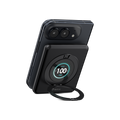
BMX's SolidSafe power banks deliver USB-C Power Delivery - the universal standard that works with every major phone. For iPhones and Pixels, you'll hit full-speed charging. For Samsung, you'll get solid 20-23W speeds via PD, which is significantly faster than basic 5V charging - just not Samsung's maximum 45W.
Why Charging Slows Down After 80%
You've probably noticed your phone charges fast until about 80%, then crawls to 100%. This isn't a defect - it's battery chemistry.
The science (simplified):
Lithium batteries charge by moving ions between electrodes. When the battery is low, there's plenty of room for ions to settle. As capacity fills, the "parking spots" get crowded. Pushing power in too fast at high charge levels creates heat and stress that degrades the battery.
So your phone throttles charging speed to protect long-term battery health.
What this means for you:
- Quick top-ups (say, 20% to 60%) are much faster than full charges
- Charging overnight doesn't harm modern phones - they manage power intelligently
- If you're in a hurry, even 15 minutes of fast charging can add 25-40% depending on your device
What People Get Wrong About Fast Charging
Myth: "I bought a 100W charger, so my phone charges at 100W."
Reality: Your phone decides the speed, not your charger. A 100W charger paired with an iPhone 16 still charges at ~30W maximum. You're paying for capability you can't use.
Myth: "Fast charging damages your battery."
Reality: Modern phones manage charging curves intelligently. They slow down at high charge levels specifically to protect battery health. The real battery killers are heat and deep discharge cycles - not fast charging.
Myth: "All USB-C chargers are the same."
Reality: USB-C is just the connector shape. The protocol (PD, PPS, or basic USB) determines speed. A USB-C charger without PD might only deliver 5-10W despite having the same port shape as a 65W fast charger.
Myth: "My Samsung needs Samsung's charger for fast charging."
Reality: Samsung uses standard USB-C PD with PPS. Any PPS charger - Samsung, Anker, Ugreen, or otherwise - can hit 45W. You don't need the Samsung logo.
What BMX Recommends
Fast charging is only as good as your weakest link. Here's how BMX's SolidSafe power banks match up with your devices.
SolidSafe Compatibility by Device
| Device | SolidSafe 5K (20W PD) | SolidSafe 10K (30W PD) |
|---|---|---|
| iPhone 17 / 17 Pro / 17 Pro Max | ✓ 20W (solid speed) | ✓ 30W (near max) |
| iPhone Air | ✓ 20W (full speed) | ✓ 20W (full speed) |
| iPhone 16 series | ✓ 20W (solid speed) | ✓ 30W (full speed) |
| iPhone 15 series | ✓ 20W (solid speed) | ✓ 27W (full speed) |
| Samsung Galaxy S25 Ultra / S25+ | ~20W via PD* | ~20-23W via PD* |
| Samsung Galaxy S25 | ✓ 20W (near max) | ✓ 25W (full speed) |
| Pixel 10 Pro XL | ✓ 20W (solid speed) | ✓ 30W (near max) |
| Pixel 10 / 10 Pro | ✓ 20W (solid speed) | ✓ 29-30W (full speed) |
| Qi2 Wireless (all models) | ✓ 15W magnetic | ✓ 15W magnetic |
*Samsung's 45W requires PPS protocol. SolidSafe delivers USB-C PD, which gives Samsung phones ~20-23W - faster than basic charging, but not Samsung's maximum speed. For most real-world use, this is plenty fast.
For iPhone and Pixel Users
Either SolidSafe model delivers excellent speeds. Choose based on capacity needs:
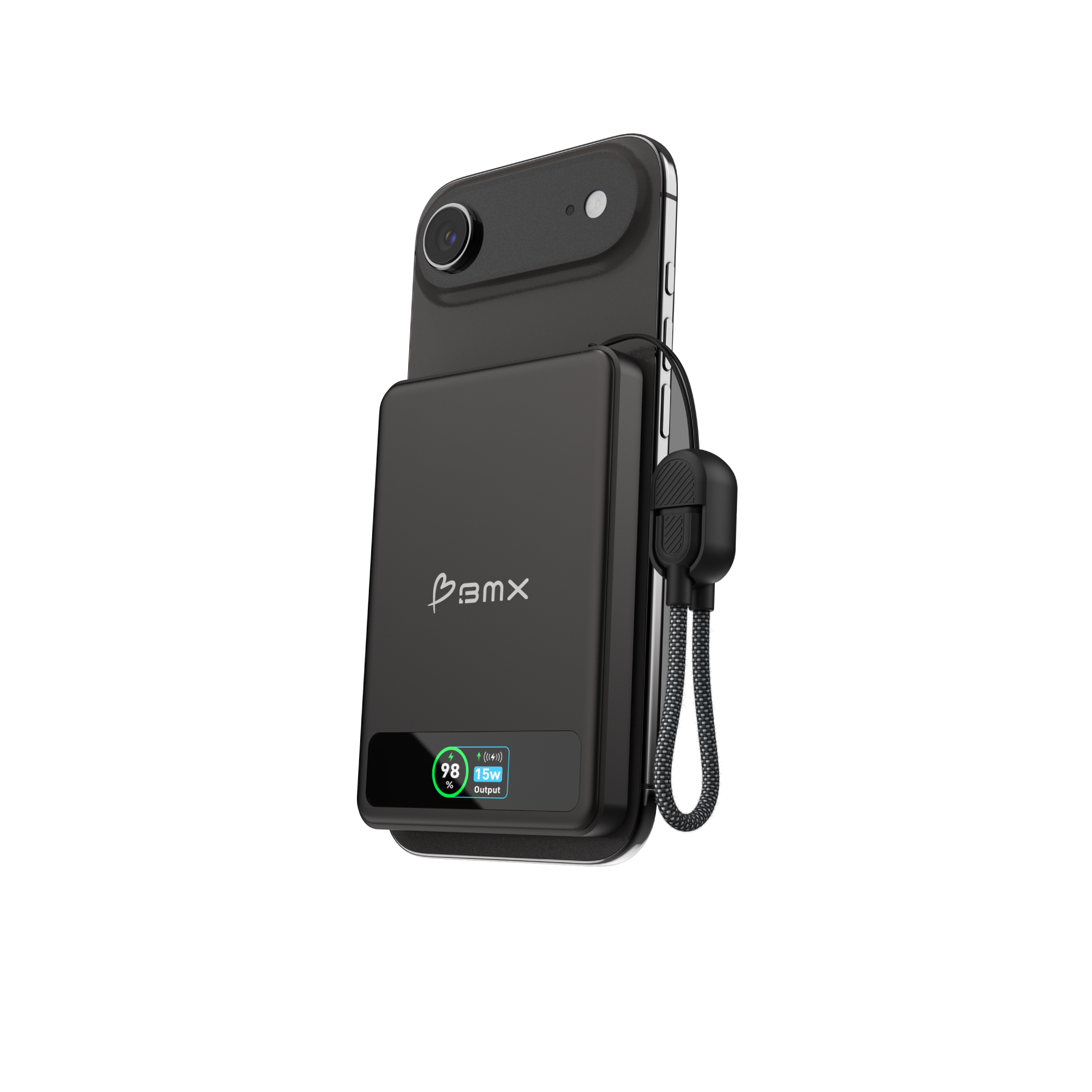
SolidSafe 5K - $79.99
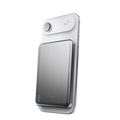
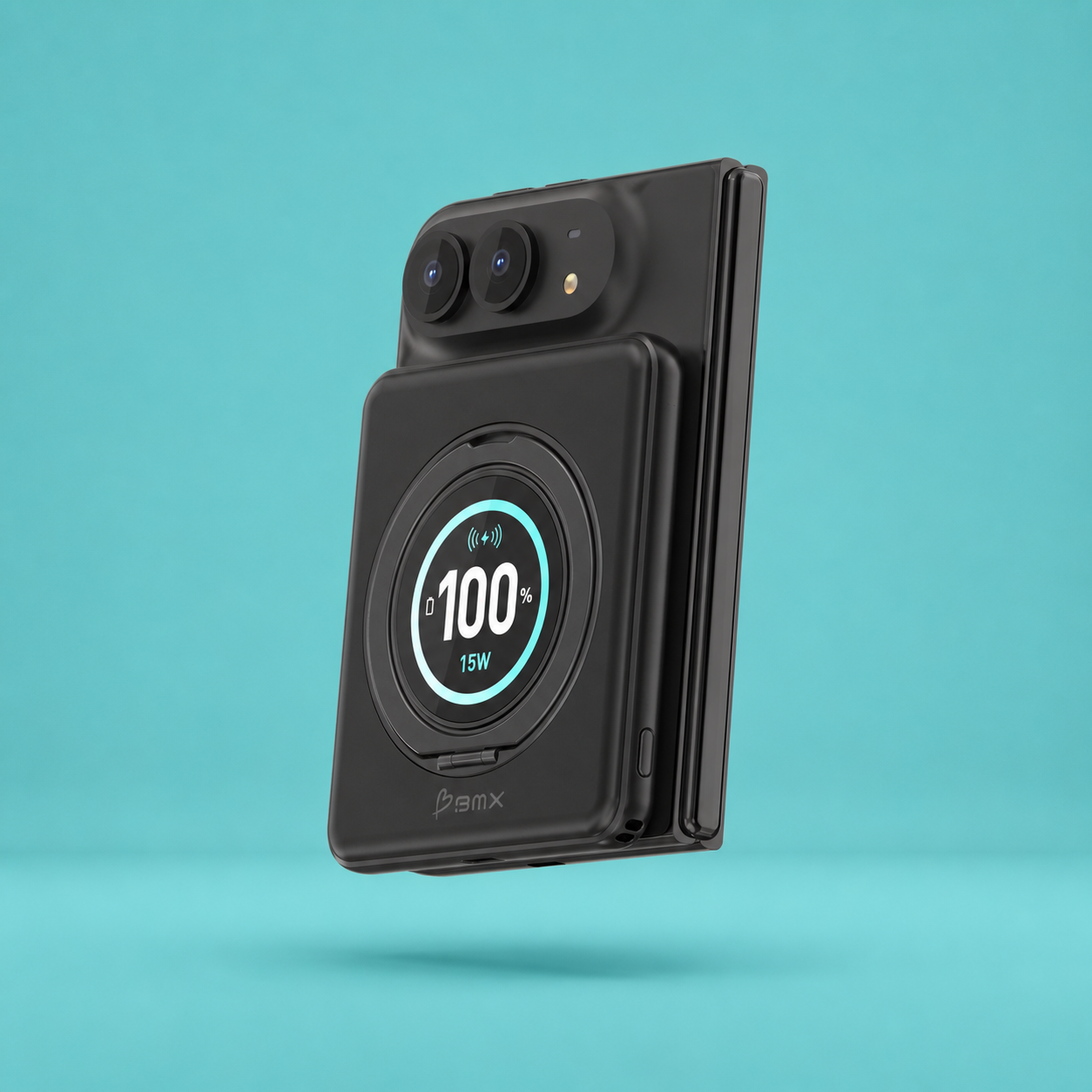
Slim enough to forget it's there. 20W USB-C PD + 15W Qi2 magnetic wireless. One full phone charge. TSA airline-approved.
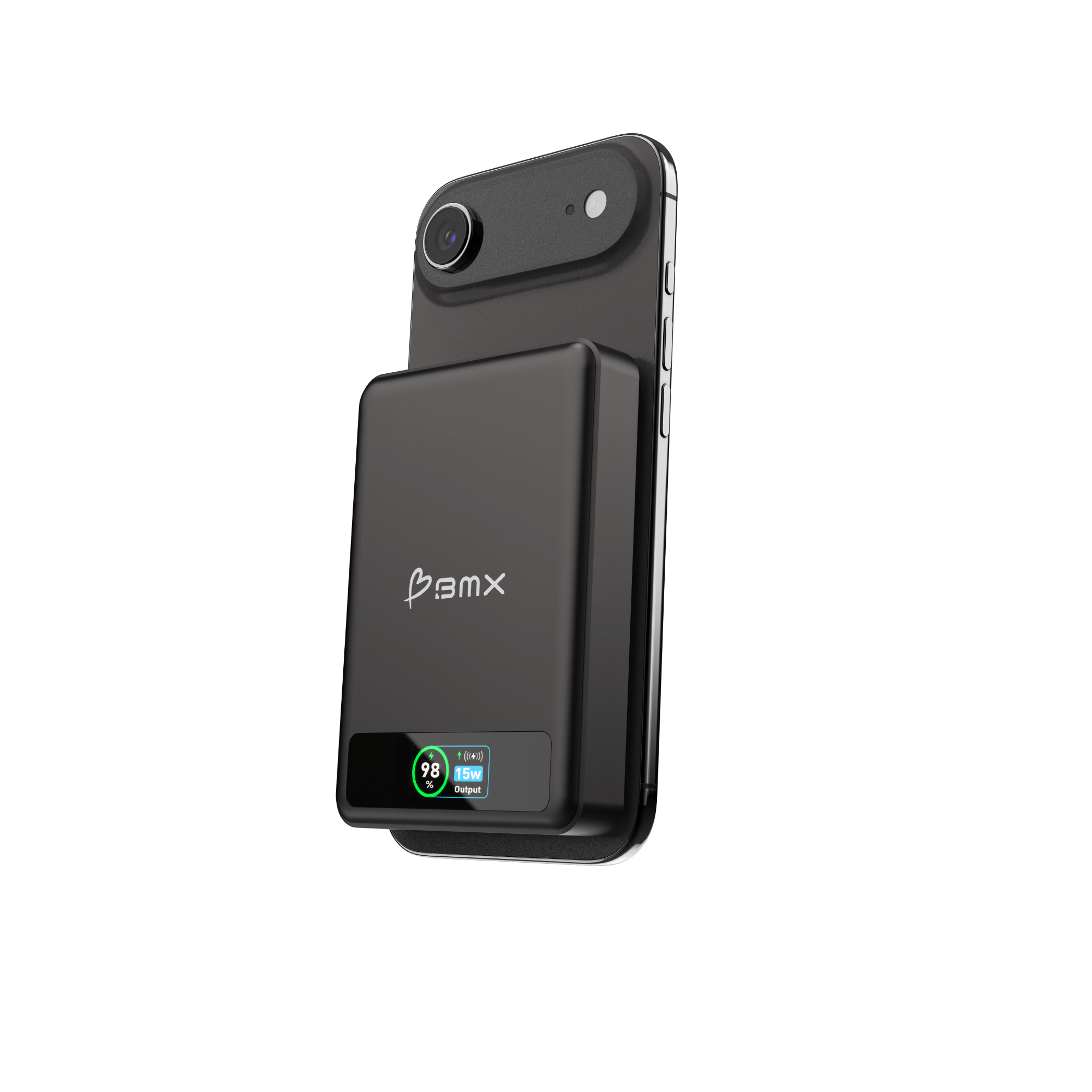
SolidSafe 10K - $99.99
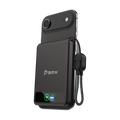
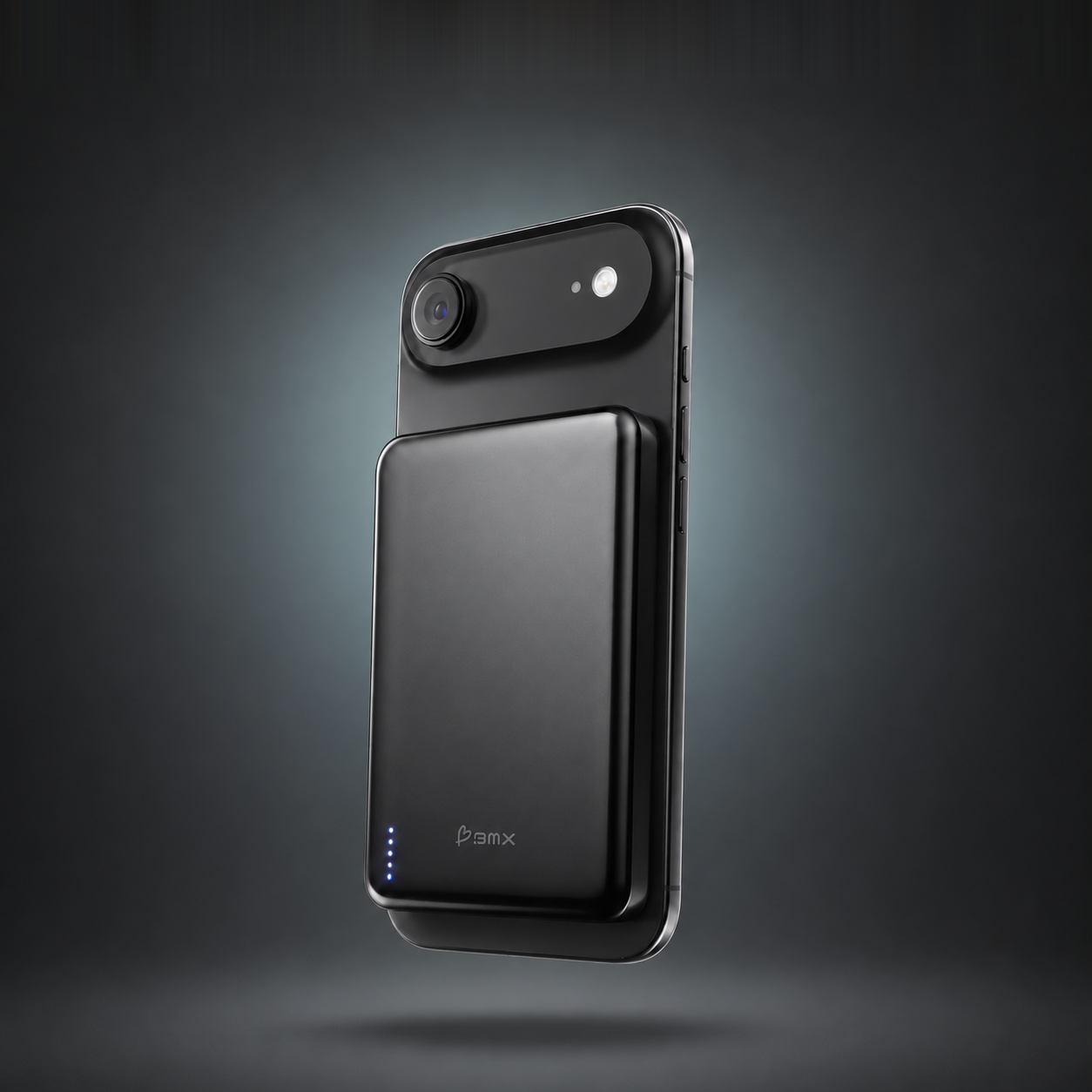
Two full phone charges. 30W USB-C PD for full-speed iPhone 16/Pixel 10 charging. Dual USB-C ports. Still under the 100Wh airline limit.
For Samsung Users
Honest take: You'll get solid 20-23W speeds via USB-C PD - well above basic charging - but not Samsung's maximum 45W (which requires PPS). If you frequently need Samsung's absolute fastest speeds, keep a PPS charger at home. For travel and backup power, SolidSafe delivers meaningful speed improvements while adding semi-solid-state safety.
Why Semi-Solid-State Matters for Fast Charging
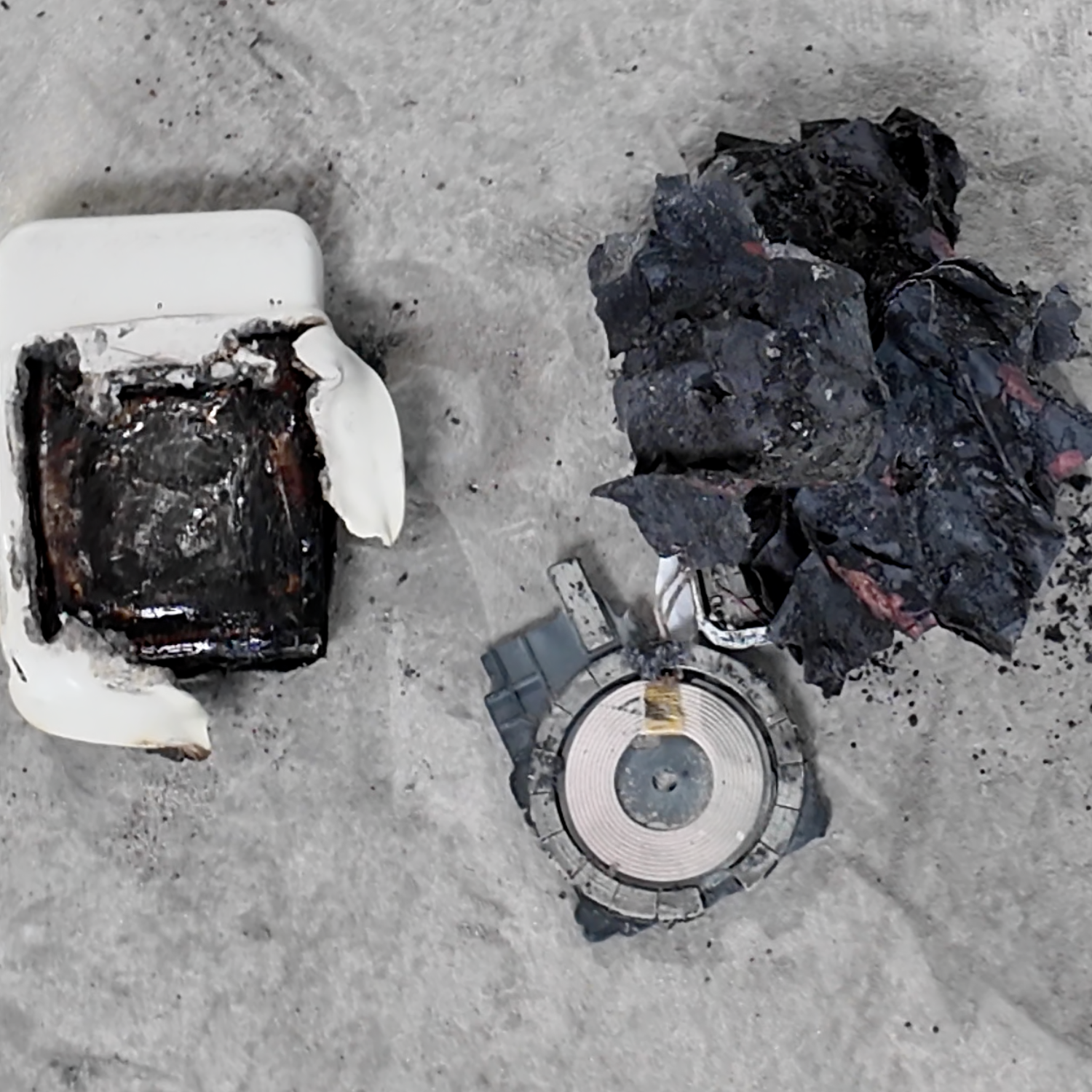
Both SolidSafe models use semi-solid-state battery cells with ~2.5% liquid content versus 60-90% in conventional lithium-ion. This architecture reduces free-flowing flammable electrolyte, which lowers the risk of thermal escalation if a cell is damaged.
When you're fast-charging a power bank in your pocket or bag all day, that architecture difference matters. It's one less thing to think about.
FAQs
What is fast charging?
Fast charging is a set of protocols that let your phone request higher power levels from a charger, filling your battery faster than basic USB charging. Instead of 5W, fast charging can deliver 20W, 30W, or more - cutting charge times significantly. The actual speed depends on your phone, charger, and cable all supporting compatible protocols.
Why is my phone not fast charging?
Check three things: (1) Your charger - does it support USB-C PD or your phone's required protocol? (2) Your cable - cheap cables may only handle low wattages. (3) Your phone's battery temperature - phones throttle charging when hot. Also verify fast charging is enabled in your phone's settings.
Does fast charging damage battery?
No. Modern phones manage charging curves intelligently, slowing down at high charge levels to protect battery health. The real battery killers are excessive heat and repeatedly draining to 0%. Fast charging itself, when managed by your phone's power controller, doesn't meaningfully reduce battery lifespan.
What's the difference between USB-C PD and PPS?
USB-C PD (Power Delivery) is the universal fast-charging standard with fixed voltage steps. PPS (Programmable Power Supply) is an extension that allows finer voltage control. iPhones only need PD. Samsung phones need PPS to reach their maximum 45W speeds - without it, they'll charge at ~15-22W via standard PD.
Why does charging slow down after 80%?
Battery chemistry. When a lithium battery is nearly full, pushing power in quickly creates heat and stress that degrades the cells. Your phone automatically throttles charging speed above ~80% to protect long-term battery health. This is normal and intentional.
Can I use any USB-C charger for fast charging?
USB-C is just the connector shape - it doesn't guarantee fast charging. You need a charger that supports USB-C Power Delivery (PD) for fast speeds. For Samsung's maximum 45W, you also need PPS support. Check your charger's specs for "PD" or "PPS" to confirm compatibility.
What wattage charger do I actually need?
For most phones: a 30W USB-C PD charger covers you. iPhones max out around 27-40W depending on model. Samsung needs 45W PPS for maximum speed. Google Pixels hit ~30W. Going higher than your phone can accept wastes money - your phone only pulls what it needs.
The Bottom Line
Fast charging isn't complicated once you understand the handshake: your charger offers power, your cable carries it, and your phone decides what to accept. The charger doesn't push - the phone pulls.
For most people, a quality 30W USB-C PD charger and a decent 60W-rated cable will fast-charge any phone you own today. If you're a Samsung user chasing absolute maximum speeds, look for PPS support. Everyone else can stop worrying about wattage numbers and focus on what actually matters: having power when you need it.
Ready to upgrade your charging setup? Explore the SolidSafe 5K for everyday carry or the SolidSafe 10K for all-day travel power - both with semi-solid-state safety built in.


Leave a comment
This site is protected by hCaptcha and the hCaptcha Privacy Policy and Terms of Service apply.