





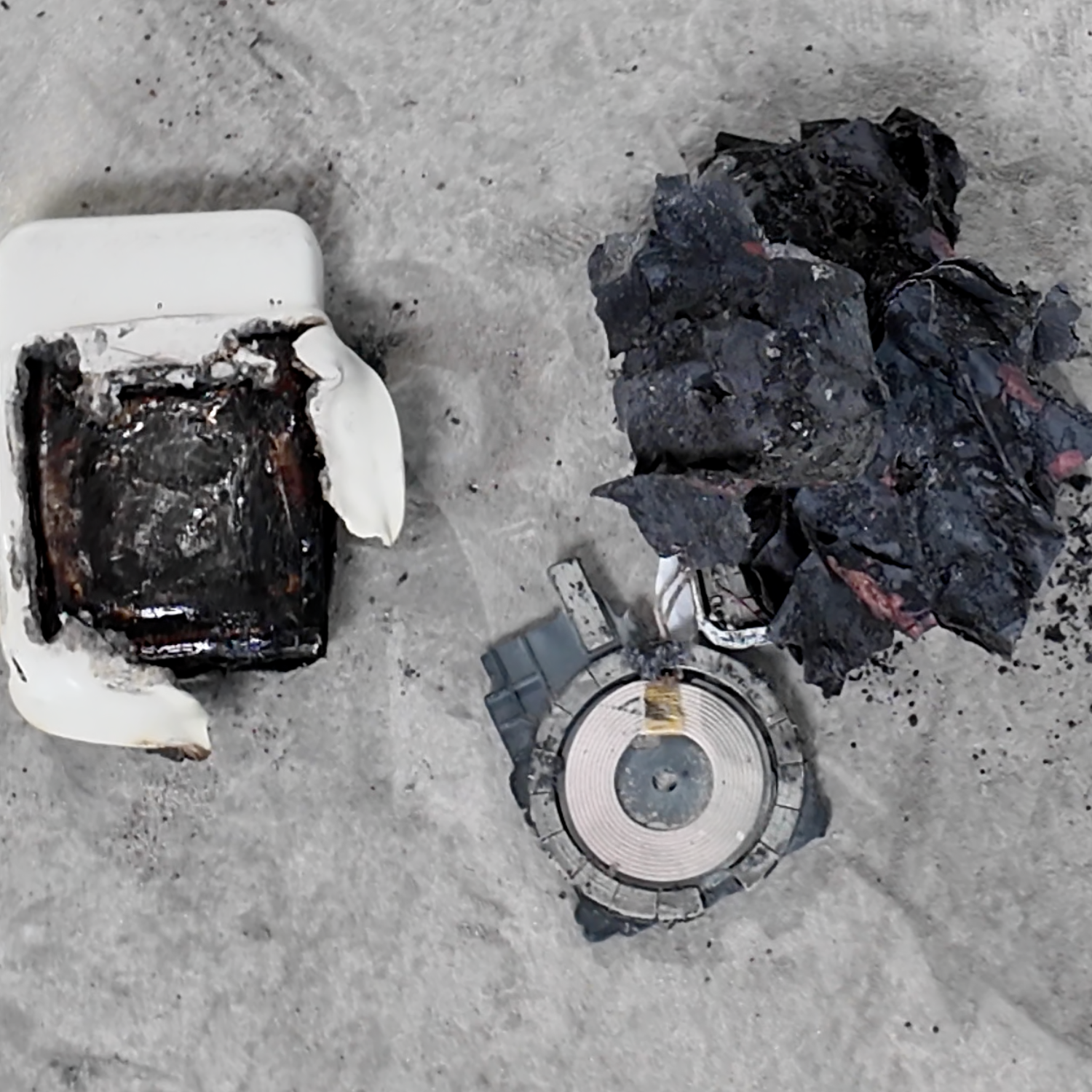
Power banks can catch fire when damage, a manufacturing defect, an electrical fault or excessive heat causes a battery cell to overheat. In a severe failure, heat triggers further chemical reactions inside the cell. This self-heating process is called thermal runaway.
The useful questions are what can start that process, what warning signs to watch for, and how to handle a power bank that may be damaged. Battery chemistry matters, but it is only one part of the design.
What happens inside a lithium-ion battery?
A rechargeable lithium-ion cell contains positive and negative electrodes, a separator and an electrolyte. Ions move through the electrolyte as the cell charges and discharges. The separator helps keep the electrodes from making direct electrical contact.
If that separation fails, an internal short circuit can generate heat. Under some conditions, heat-producing reactions inside the cell accelerate faster than the heat can escape. A failing cell may release hot gases, burn or rupture. A short circuit does not mean every cell will immediately burst into flames; the outcome depends on the cell, its charge level, the fault and surrounding conditions. The NFPA research review of lithium-ion battery hazards explains these failure mechanisms.
What can trigger a power bank fire?
- Physical damage. Crushing, puncturing or seriously damaging a cell can compromise its internal structure.
- Manufacturing defects. A problem inside a cell or its protective circuitry may not be visible from the outside.
- Excessive heat. A hot car, direct sun or another heat source can expose a battery to conditions outside its operating limits.
- Incorrect charging or modification. Charging outside a battery's specifications or changing its construction can create hazards.
The Australian Competition and Consumer Commission's battery guide covers manufacturing, handling, storage and disposal risks. A USB plug fitting a port is not, by itself, proof that every charger or cable is suitable. Follow the power bank manufacturer's instructions.
Warning signs: when to stop using a power bank
Stop using a power bank if it becomes swollen, dented, cracked, leaks, produces an unusual smell or behaves abnormally. Unexpected excessive heat also needs attention. Ordinary warmth during charging and a damaged battery are different situations, but continuing to use a suspect battery is not a useful test of whether it is safe.
Health Canada's lithium-ion battery guidance advises against using damaged or modified batteries and explains charging and storage precautions. If a battery is smoking or burning, move away and contact emergency services. Do not handle a burning battery to try to save the device.
Why battery chemistry is only part of the answer
The materials inside a cell affect how it behaves during a failure. So do cell construction, manufacturing quality, the battery management system and the finished product's electrical and mechanical design. A chemistry label cannot establish the safety of every product using that label.
For a semi-solid-state power bank, check the exact model's specifications and the evidence behind any safety claim. A controlled test demonstrates what happened to the tested sample under those conditions. It does not guarantee the same outcome after every kind of damage or make a damaged battery suitable for continued use.
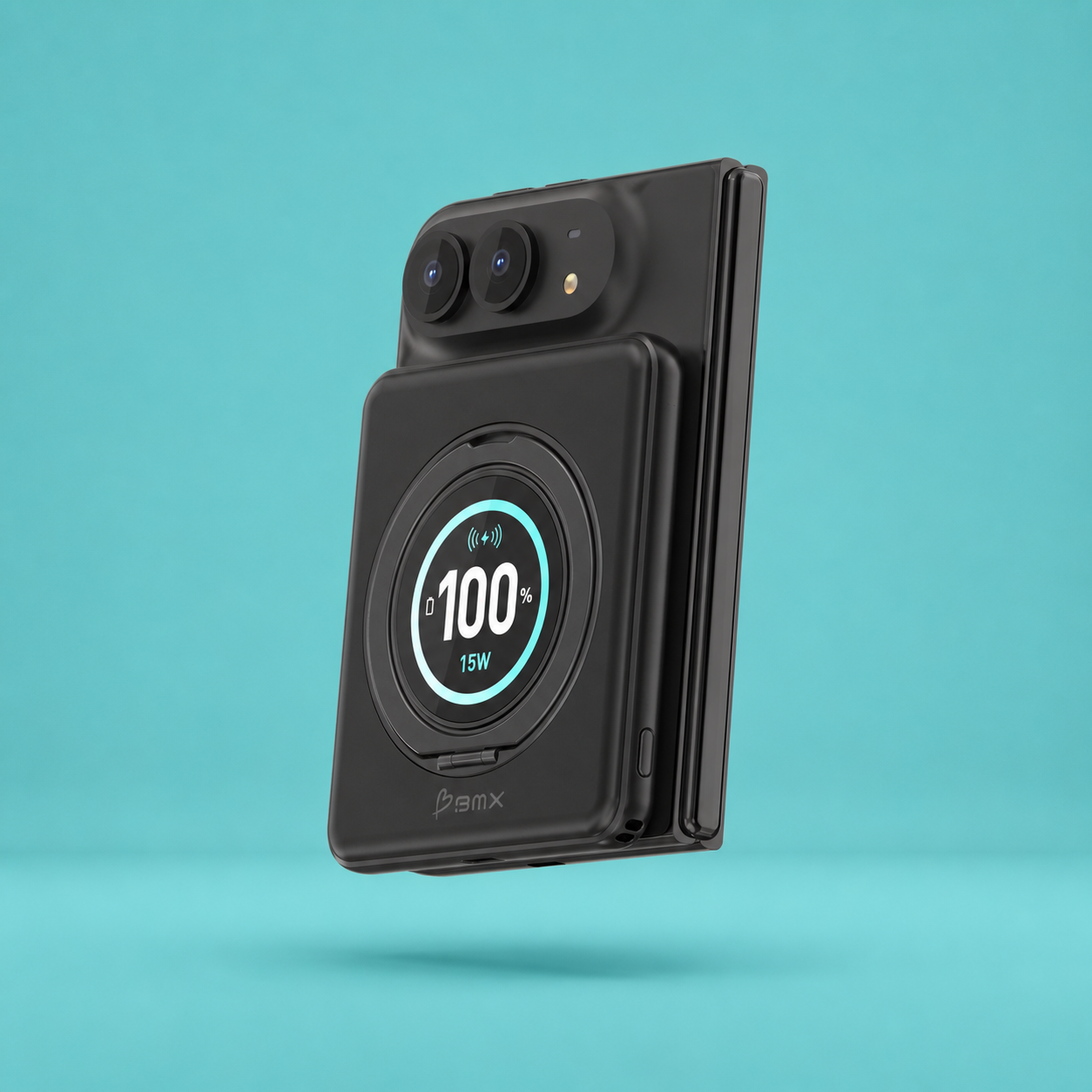
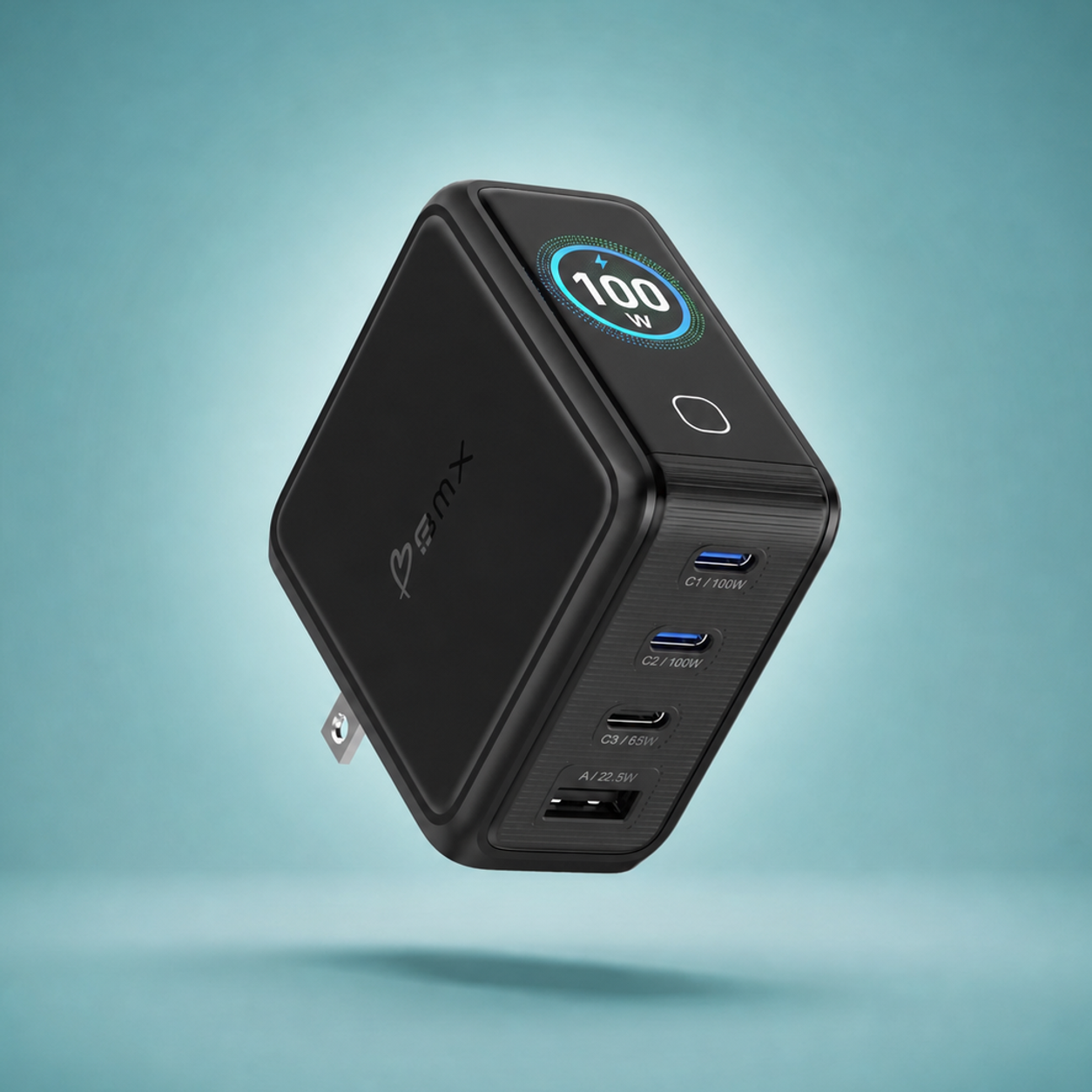
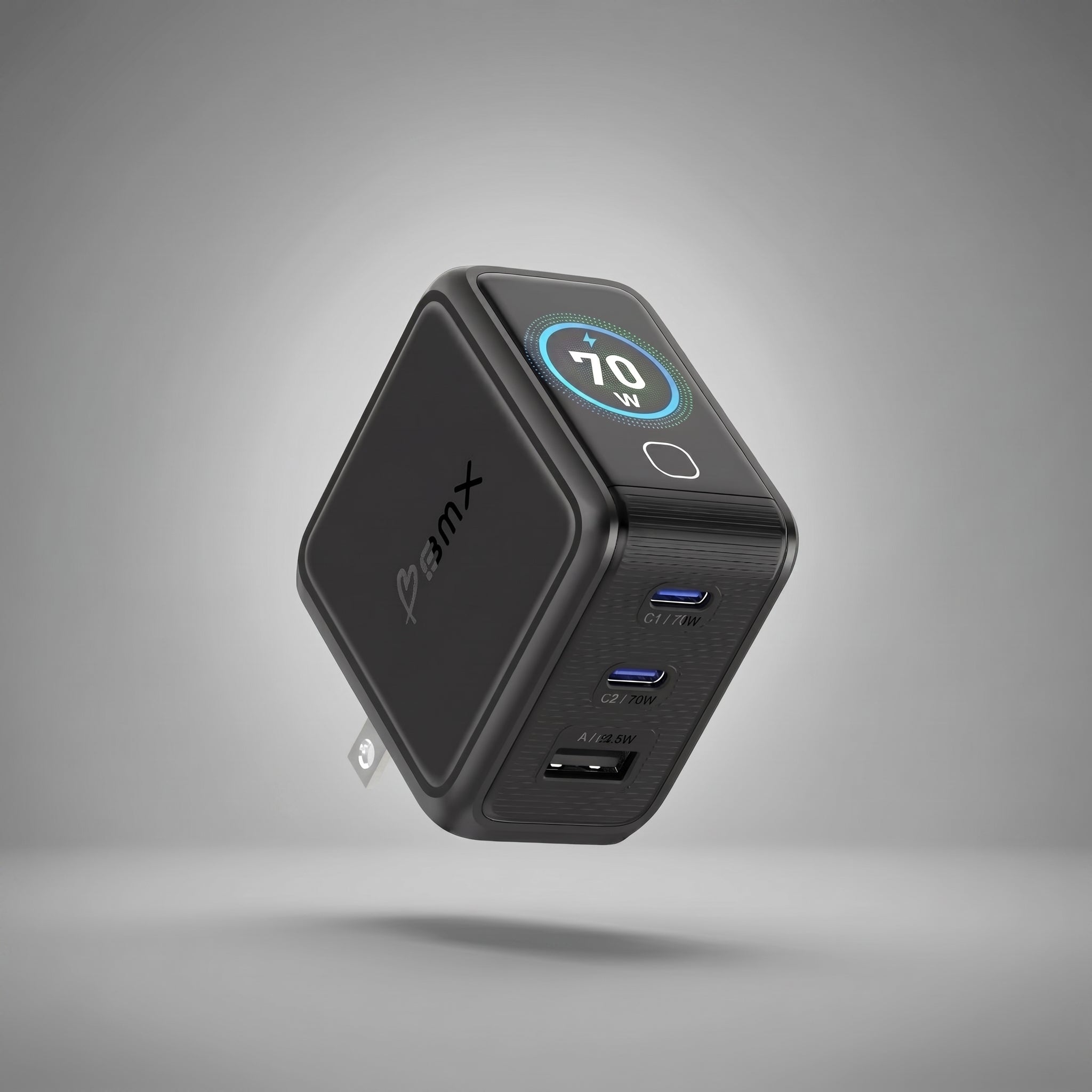
BMX's SolidSafe power bank pages provide model-specific information. Compare the individual product's compatibility, capacity, outputs and supporting information rather than assuming every model has the same features.
How to reduce avoidable risks
- Use suitable charging equipment and follow the product instructions.
- Keep the power bank away from excessive heat and physical damage.
- Do not modify, open, puncture or continue charging a damaged battery.
- Check the exact brand and model against CPSC recall notices. Follow the remedy in the notice if your product is affected.
- Arrange appropriate battery disposal when a power bank reaches the end of its life.
Disposing of a damaged or swollen power bank
A swollen battery is damaged and can present a fire hazard. Do not put lithium-ion batteries or devices containing them into household trash or ordinary curbside recycling. The US EPA's battery guidance explains why crushing during waste processing can cause fires. Contact your local household hazardous waste program for instructions, especially for a damaged battery.


Leave a comment
This site is protected by hCaptcha and the hCaptcha Privacy Policy and Terms of Service apply.