




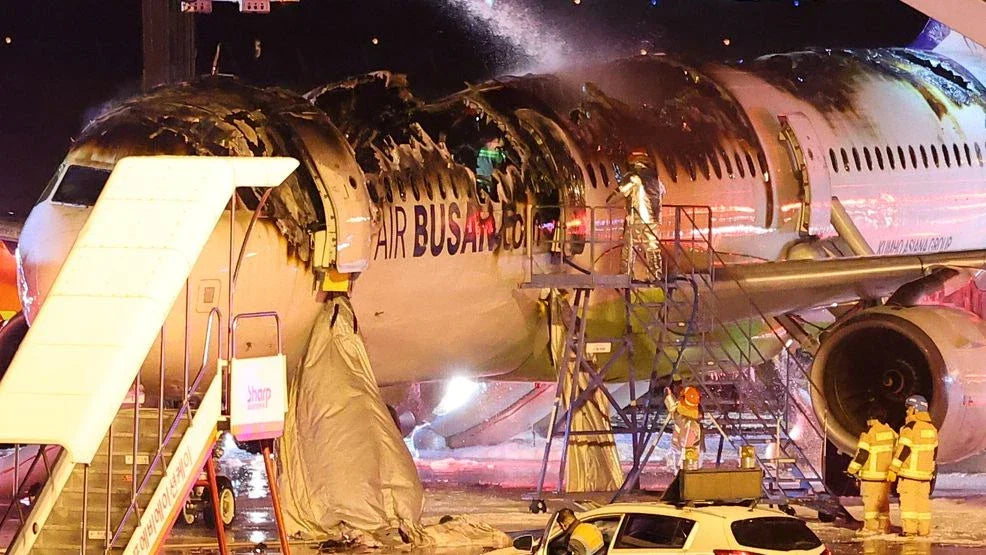
Power banks catch fire because of a process called thermal runaway. When a lithium-ion cell is punctured, crushed, or short-circuits internally, the spark ignites the liquid electrolyte inside. That liquid flows, feeds the reaction, and the cell burns. It is not random. It is chemistry - and the type of electrolyte inside the cell is the single biggest factor in whether a failure stays contained or turns into a fire.
Lithium-ion battery fires have been making headlines for years. Portable chargers confiscated at airports. Devices catching fire in carry-on bags. The FAA reports an average of two or more lithium battery incidents per week on aircraft alone. Millions of power banks have been recalled globally.
But most coverage stops at "lithium batteries are dangerous" without explaining why. The answer is inside the cell - specifically, what happens to the electrolyte when something goes wrong. Understanding that chemistry is the key to understanding which power banks are actually safer and which ones are just hoping nothing goes wrong.
How Thermal Runaway Works in a Lithium-Ion Power Bank
Every lithium-ion battery has an electrolyte sitting between its positive and negative electrodes. In a conventional cell, that electrolyte is liquid and flammable. It is what allows energy to flow during charging and discharging. Under normal conditions, it works fine.
The problem starts when something breaches the separator between those electrodes. A manufacturing defect. A puncture from being crushed in a bag. Overheating in a hot car. Any of these can create an internal short circuit.
Here is what happens next, step by step:
- Short circuit forms. The separator between electrodes is breached, creating direct contact.
- Spark generates heat. The short circuit produces a spark and rapid heating at the failure point.
- Electrolyte breaks down. The heat decomposes the liquid electrolyte, generating flammable gases.
- Liquid flows and feeds the reaction. Because the electrolyte is liquid, it moves toward the heat source, adding fuel.
- Thermal runaway. The reaction becomes self-sustaining. Temperature climbs rapidly. The cell vents, catches fire, or in extreme cases, ruptures.
Key point
The liquid electrolyte is both what makes the battery work and what makes it dangerous. It conducts energy under normal use, but it becomes fuel when something goes wrong. This is the fundamental trade-off in every conventional lithium-ion power bank on the market.
What Triggers Power Bank Fires in Real Life
Nobody drills a hole through their power bank on purpose. But the failure modes that cause fires in the real world all create the same internal result: a short circuit that generates heat in the presence of liquid electrolyte.
Common real-world triggers:
- Physical damage - dropping, crushing in a bag, sitting on it. Deforms the cell and can breach the separator.
- Manufacturing defects - microscopic metal particles or misaligned layers inside the cell. These are invisible and can cause shorts weeks or months after purchase.
- Overheating - leaving a power bank in a hot car, direct sunlight, or near heat sources. High temperatures accelerate chemical breakdown.
- Overcharging - cheap chargers or poorly designed circuits that push more voltage than the cell can handle.
- Using damaged cables or adapters - non-certified USB-C cables can deliver incorrect voltage, stressing the cell.
Important
The risk is not limited to cheap or unknown brands. Millions of power banks from well-known manufacturers have been recalled due to fire and burn hazards. The CPSC (Consumer Product Safety Commission) maintains a public database of recalls you can search at cpsc.gov.
The Scale of the Problem: Recalls and Airline Incidents
This is not a niche problem. Lithium-ion battery failures in portable electronics have been a growing safety concern for over a decade. Portable chargers and power banks have been recalled by the millions due to fire and burn hazards.
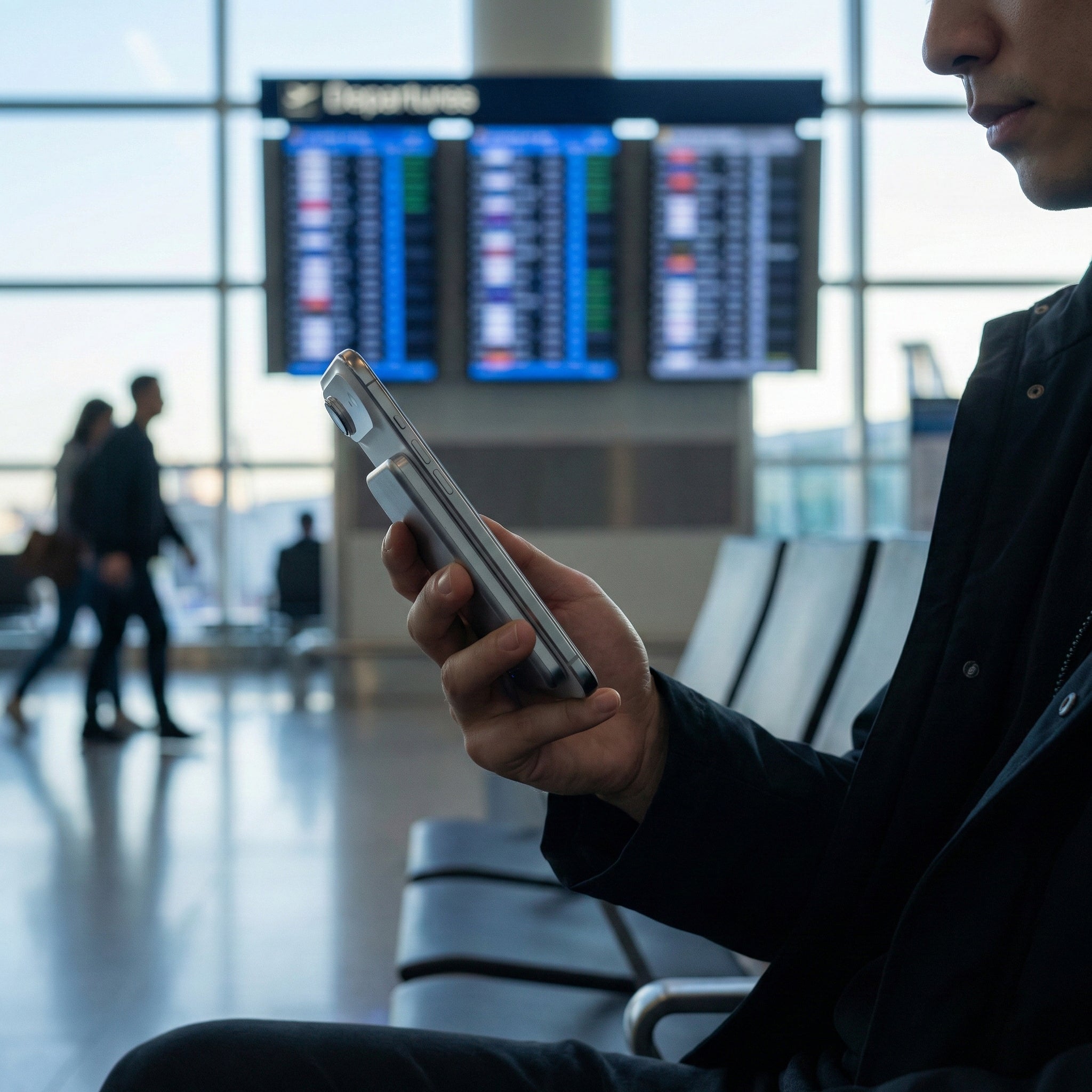
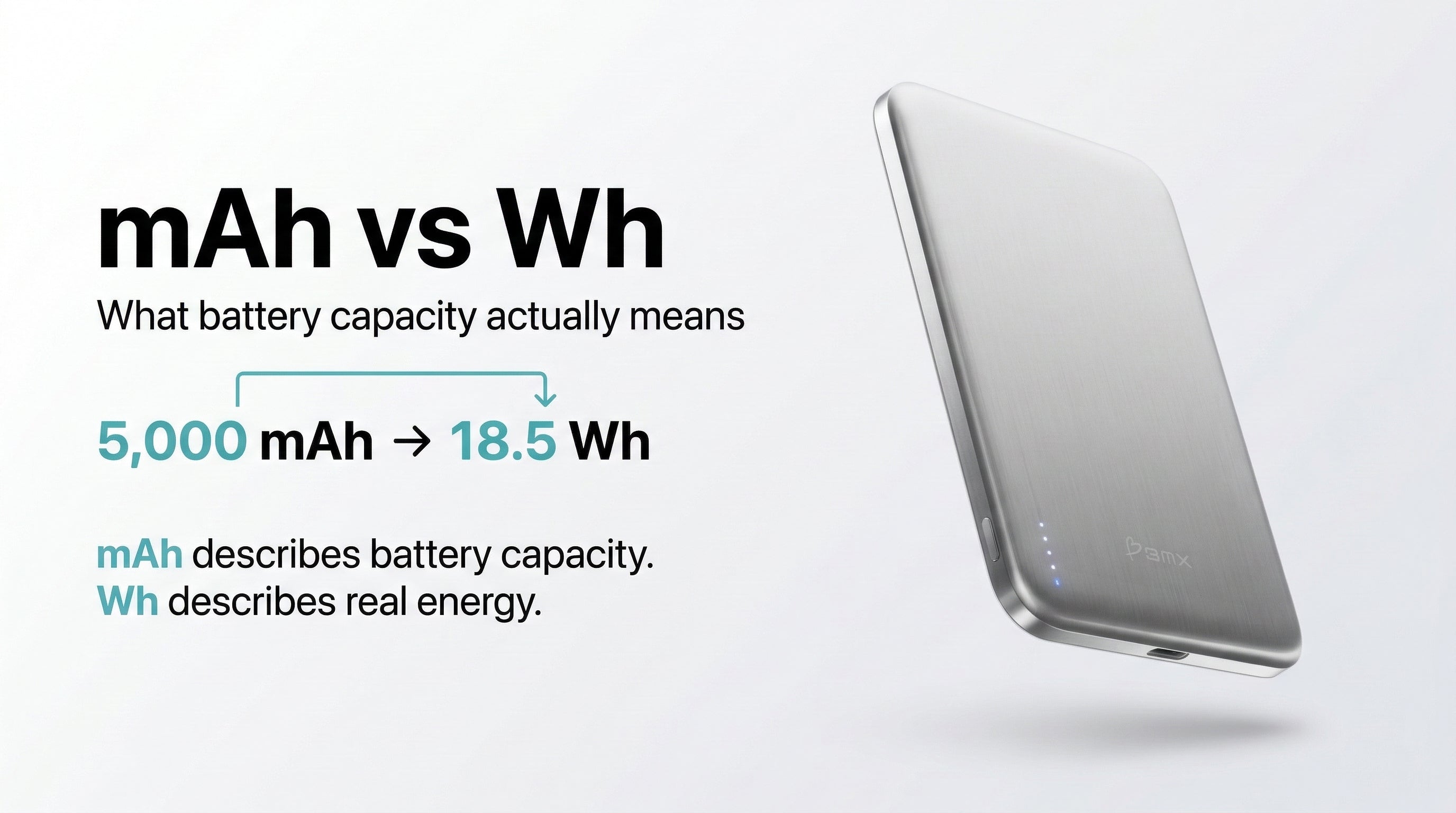
The Federal Aviation Administration tracks lithium battery incidents on aircraft and reports an average of two or more incidents per week. Airlines have banned checked power banks entirely, and carry-on limits are strictly enforced at 100Wh per device (160Wh with airline approval).
The common thread across every recall and every incident is the same: liquid electrolyte inside a lithium-ion cell ignited after an internal failure. The chemistry is the bottleneck. Better circuit protection helps, but it cannot prevent every failure mode - especially manufacturing defects that occur inside the sealed cell itself.
The Electrolyte Is the Variable: How Semi-Solid-State Batteries Change the Equation
If the liquid electrolyte is what catches fire, the logical question is: what if you changed the electrolyte?
That is exactly what semi-solid-state battery technology does. Instead of a free-flowing liquid electrolyte, semi-solid-state cells use an oxide electrolyte with a fraction of the liquid found in conventional lithium-ion. The electrolyte is more viscous and does not flow the same way.
BMX SolidSafe power banks use this oxide electrolyte design combined with a laminated cell construction. Here is what happens when you apply the same puncture test to both types of cells:
| What Happens | Conventional Lithium-Ion | BMX SolidSafe (Semi-Solid-State) |
|---|---|---|
| Electrolyte type | Liquid, flammable | Oxide electrolyte, minimal liquid |
| Puncture creates short circuit | Yes - spark and heat | Yes - same spark and heat |
| Electrolyte behavior | Decomposes, flows, feeds reaction | Barely moves, resists decomposition |
| Result | Thermal runaway - fire, venting, possible rupture | Heat stays local, reaction fizzles out |
| Fire risk level | Higher - liquid acts as fuel | Greatly reduced - not enough liquid to catch, not enough to spread |
Honest disclaimer
No battery is risk-free. Semi-solid-state technology greatly lowers the risk of thermal runaway compared to conventional lithium-ion, but abuse or damage can still be dangerous. Risk is reduced, not eliminated. We say this because it is true - not because a lawyer told us to.
What Happens When You Drill Through a SolidSafe Power Bank
The nail penetration test is the standard destructive test for battery safety. It deliberately creates the worst-case scenario - a direct short circuit through the cell - to see what happens next.
BMX runs this test on SolidSafe cells to demonstrate the difference between oxide electrolyte and conventional liquid electrolyte in practice. The result: the SolidSafe cell takes the puncture, heats locally, and the reaction fizzles out. No fire. No venting. No thermal runaway.
Lithium-ion vs. SolidSafe semi-solid-state: same nail penetration test, different result. The conventional cell ignites. The SolidSafe cell does not.
This matters because the nail test simulates the same failure mode as real-world incidents - crushing in a bag, overheating, manufacturing defects. They all produce internal short circuits. The question is always the same: what does the electrolyte do next? In a conventional cell, it catches and spreads. In a SolidSafe cell, it does not.
How to Reduce Your Risk of a Power Bank Fire
Regardless of what power bank you own, these practices reduce the chance of a battery failure:
- Do not use a visibly damaged power bank. If the casing is cracked, swollen, or dented, stop using it immediately.
- Avoid extreme heat. Never leave a power bank in a hot car, in direct sunlight, or near a heat source for extended periods.
- Use certified cables and chargers. Non-certified USB-C cables can deliver incorrect voltage. Look for USB-IF certification.
- Do not charge overnight unattended on flammable surfaces. Charge on a hard, non-flammable surface.
- Check for recalls. Search your power bank brand and model at cpsc.gov to see if it has been recalled.
- Look at the battery chemistry. Semi-solid-state power banks like BMX SolidSafe use an oxide electrolyte with a fraction of the liquid found in conventional lithium-ion, which reduces the risk of thermal runaway if something does go wrong.


Frequently Asked Questions
Why do power banks catch fire?
Power banks catch fire when an internal short circuit ignites the liquid electrolyte inside the lithium-ion cells. The liquid decomposes, flows toward the heat, and fuels a self-sustaining reaction called thermal runaway. Common triggers include physical damage, manufacturing defects, overheating, and overcharging.
Can a power bank explode?
Yes. In severe thermal runaway, the rapid gas generation inside a lithium-ion cell can cause it to rupture or vent violently. This is rare in properly manufactured power banks with circuit protection, but it has occurred in recalled products and in cases of physical damage or manufacturing defects.
What is thermal runaway in a battery?
Thermal runaway is a chain reaction where heat from an internal failure decomposes the electrolyte, generating more heat and flammable gases. The process accelerates until the cell catches fire or ruptures. In conventional lithium-ion cells, the liquid electrolyte acts as fuel for this process.
Are semi-solid-state power banks safer than lithium-ion?
Semi-solid-state power banks like BMX SolidSafe use an oxide electrolyte with a fraction of the liquid found in conventional lithium-ion. This greatly reduces the risk of thermal runaway because there is not enough free-flowing liquid to catch and spread during a failure. Risk is reduced, not eliminated - no battery is completely risk-free.
What should I do if my power bank gets hot?
If your power bank feels unusually hot, disconnect all devices and cables immediately. Move it to a non-flammable surface away from other objects. Do not attempt to charge it again until it has completely cooled. If it is swelling, making unusual noises, or emitting a chemical smell, do not touch it - move away and contact the manufacturer.
How many power banks have been recalled?
Millions of portable chargers and power banks have been recalled globally due to fire and burn hazards. You can check specific brands and models at the CPSC website (cpsc.gov) in the United States. Recalls have affected power banks from well-known manufacturers, not just budget or unknown brands.
Can I take a power bank on a plane?
Yes, but only in carry-on luggage. Power banks are banned from checked bags by all major airlines. Carry-on limits are 100Wh per device without airline approval, or 160Wh with airline approval. All BMX SolidSafe power banks fall within the 100Wh carry-on limit. For a full breakdown of airline rules, see our guide to travel power banks.
SolidSafe Power Banks
Power that does not rely on luck
BMX SolidSafe power banks use an oxide electrolyte with a fraction of the liquid found in conventional cells. Puncture them and the reaction fizzles out instead of catching fire. That is engineering, not hope.
See SolidSafe Power BanksRelated guides

Leave a comment
This site is protected by hCaptcha and the hCaptcha Privacy Policy and Terms of Service apply.