
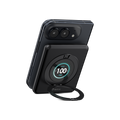
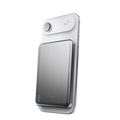
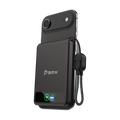




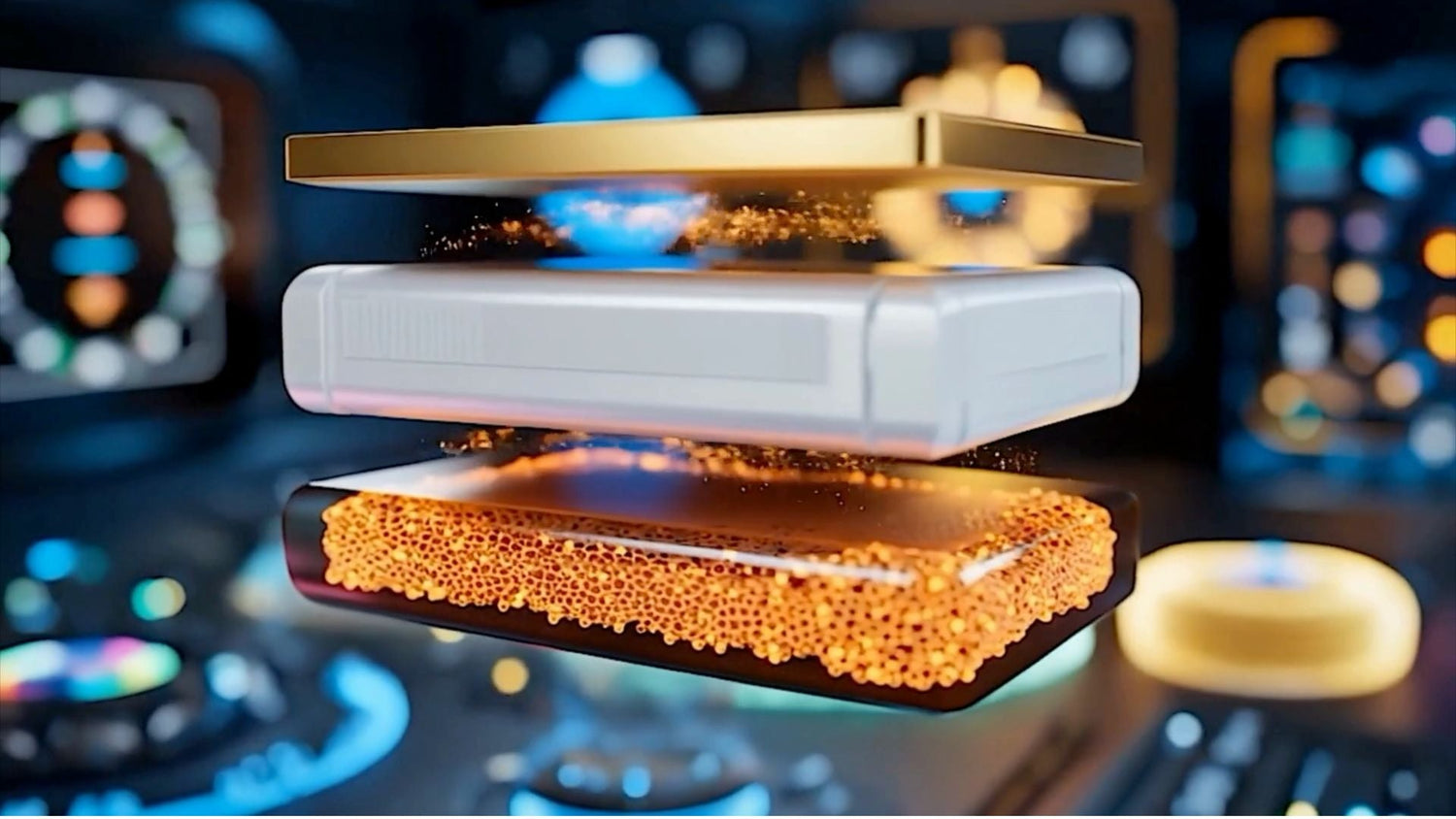
A semi-solid-state battery uses an electrolyte with significantly less liquid than a conventional lithium-ion cell. That single difference changes what happens when a battery fails -- reducing the risk of fire by limiting the material that catches and spreads. It does not eliminate risk entirely. It changes the failure mode.
You've seen the phrase on listings. "Semi-solid-state." "Solid-state cell design." Sometimes with a safety claim attached, often without any explanation. This post explains what actually changes inside the battery -- no electrical engineering background needed.
Why Liquid Is the Problem in Lithium-Ion Batteries
Every lithium-ion battery has three main parts: a positive electrode, a negative electrode, and an electrolyte between them. The electrolyte lets energy flow back and forth when you charge and discharge the battery.
In a conventional lithium-ion cell, that electrolyte is a liquid. It is also flammable. Under normal conditions this isn't an issue -- the battery is sealed and stable. But when something goes wrong and creates a short circuit inside the cell -- a crush, a defect, overheating in a hot car -- that liquid becomes the problem.
Here is what happens in a conventional cell when a short circuit occurs:
- The short circuit generates heat
- The heat breaks down the liquid electrolyte
- The liquid flows, feeding the reaction
- Flammable gases build up rapidly
- The reaction cascades: fire, pressure, thermal runaway
The spark alone doesn't cause the fire. The flammable liquid that flows and feeds the reaction does. Remove the liquid -- or significantly reduce it -- and that cascade cannot build the same way.
The core issue with lithium-ion battery fires
Battery fires are not caused by a spark alone. They are caused by flammable liquid electrolyte that flows, reacts with heat, and feeds a thermal cascade. The spark is the trigger. The liquid is the fuel. Semi-solid-state batteries are engineered to significantly reduce that fuel.
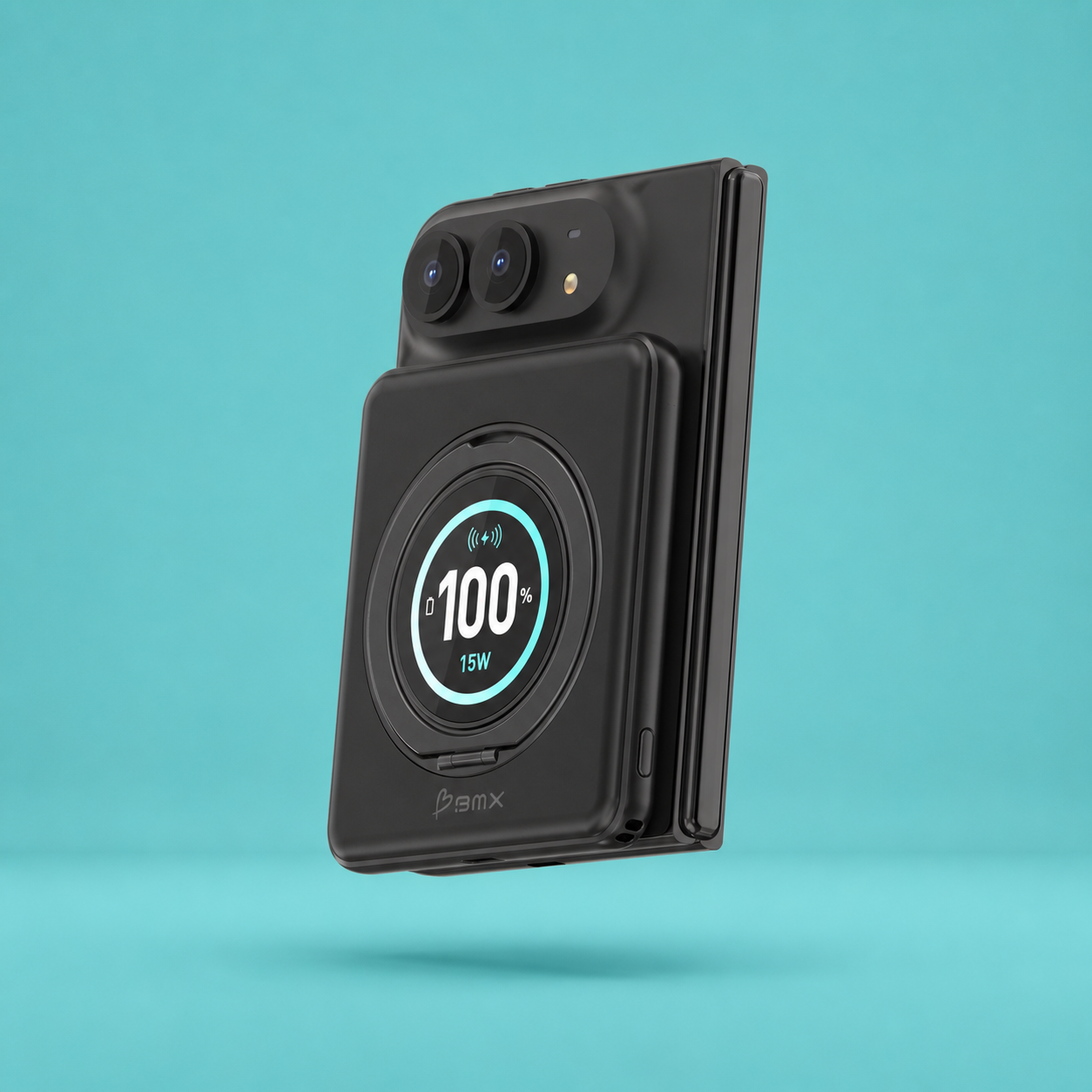
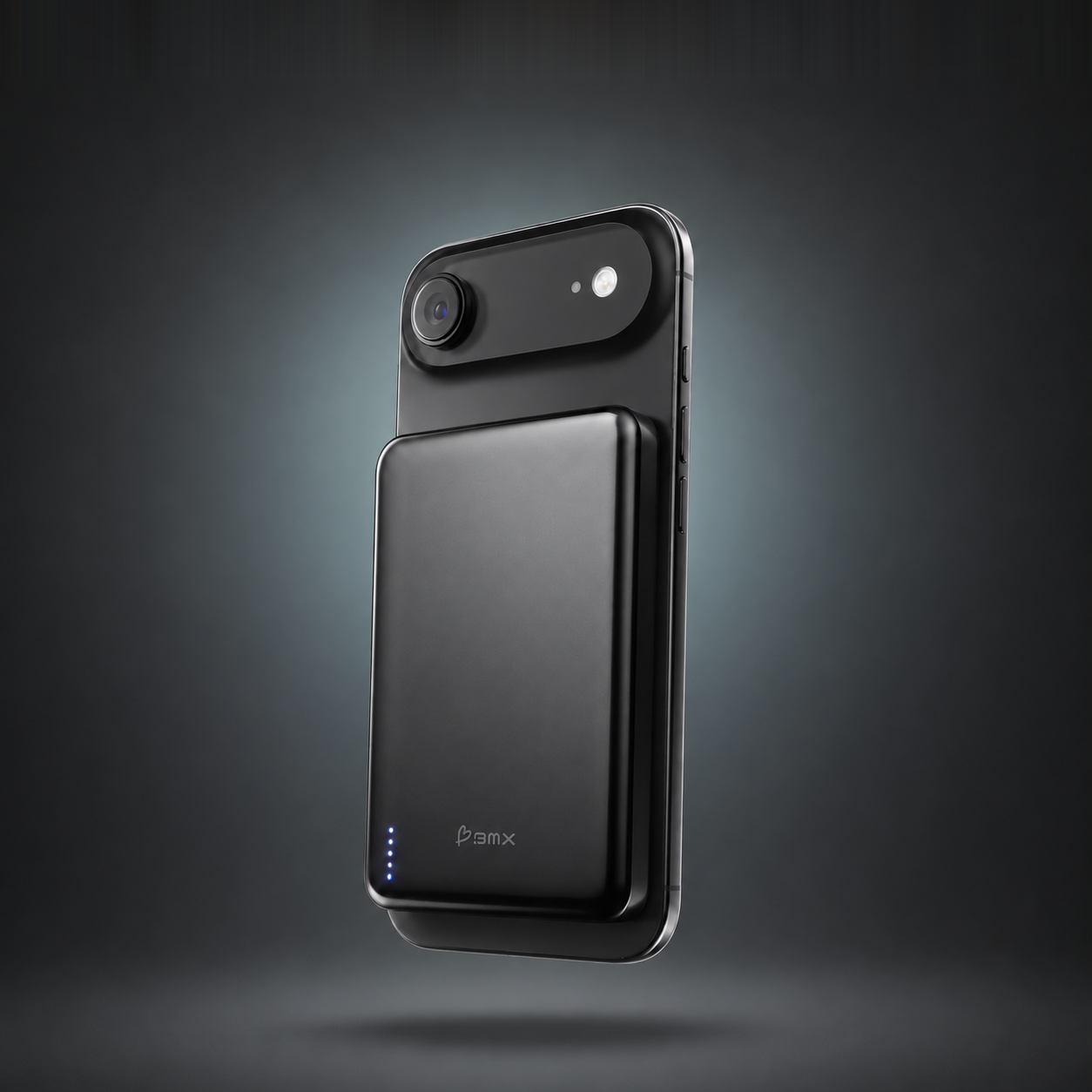
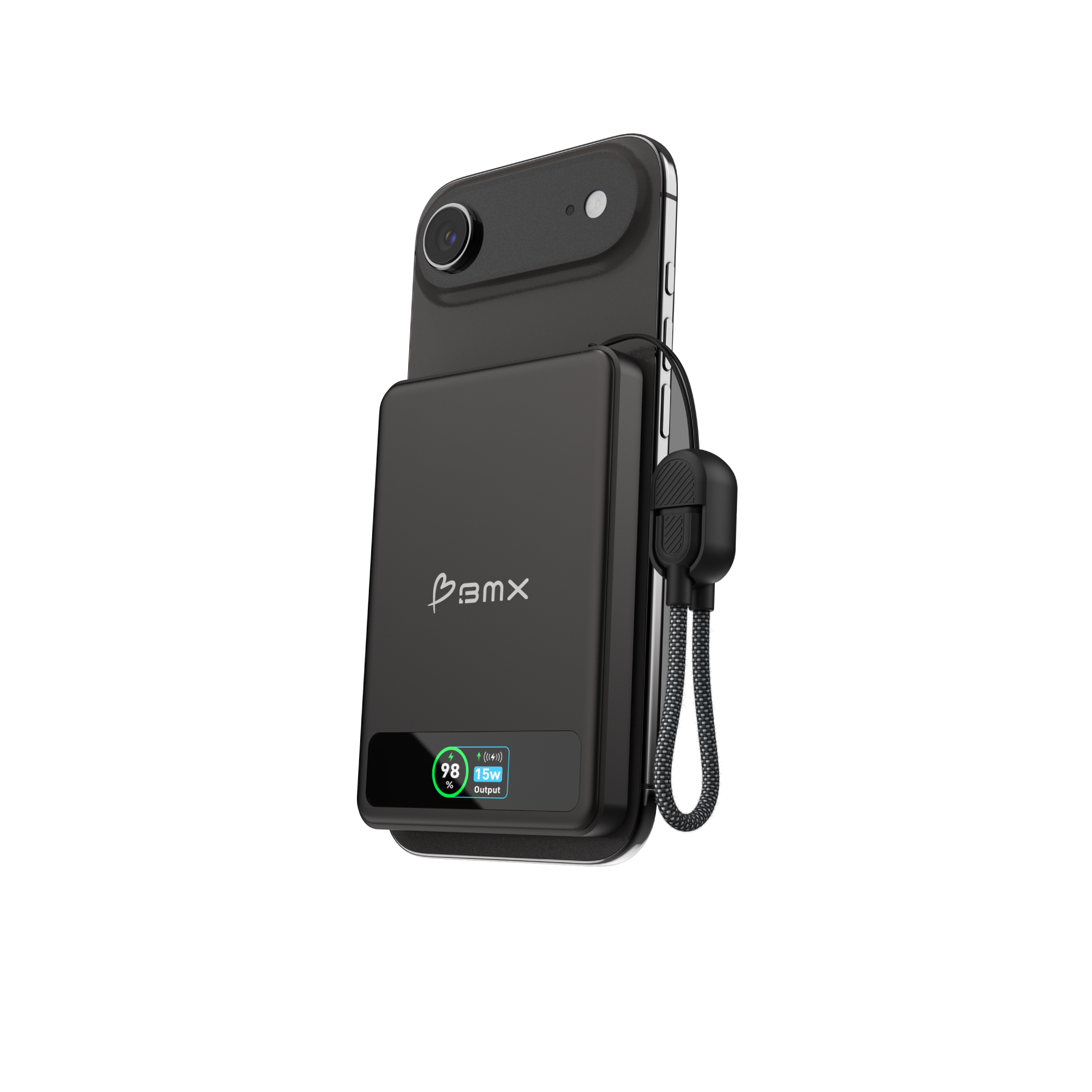
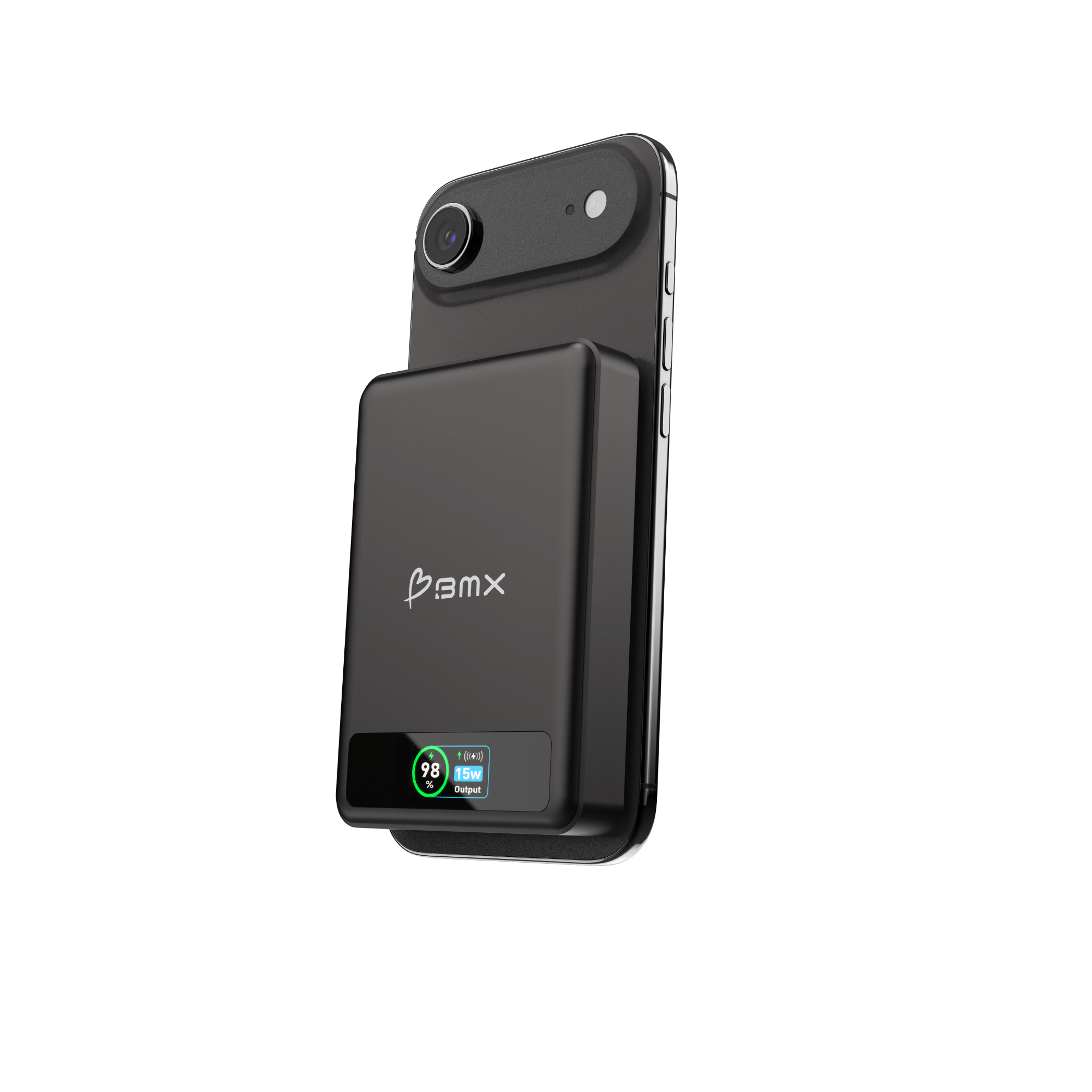
SolidSafe power banks are built with semi-solid-state cells that contain significantly less liquid than conventional lithium-ion -- engineered to interrupt the failure cascade, not just reduce wattage. See the SolidSafe Air 5K →
What "Less Liquid" Actually Changes in a Semi-Solid-State Battery
A semi-solid-state battery doesn't eliminate the electrolyte -- it replaces much of it. Instead of a freely flowing liquid, the electrolyte is much thicker -- more like a gel. It barely moves.
Run the same short-circuit scenario through a semi-solid-state cell:
- The short circuit generates the same heat
- The heat reaches the electrolyte -- but it resists breaking down
- There isn't enough liquid to flow and feed the reaction
- The heat stays localized
- The cascade cannot build -- the reaction fizzles out
Not enough liquid to catch. Not enough to spread. The failure mode is fundamentally different from conventional lithium-ion.
How the three main battery types compare:
| Battery Type | Electrolyte | What Happens at Failure |
|---|---|---|
| Conventional lithium-ion | Liquid, flows freely | Liquid catches and spreads -- thermal runaway can cascade rapidly |
| Semi-solid-state (SolidSafe) | Significantly less liquid, very low fluidity | Electrolyte resists flowing -- cascade is interrupted, reaction fizzles |
| All-solid-state | No liquid | Lowest theoretical risk -- not yet commercially available in consumer products |
The Practical Test: What Happens When You Drill Through It
The nail penetration test is the standard way to prove what happens when a battery cell is short-circuited under the worst conditions. A fully charged cell is drilled or punctured through the center. In a conventional lithium-ion cell, this reliably triggers fire and thermal runaway.
In internal testing, SolidSafe cells were drilled, cut, and punctured while fully charged. No fire. No thermal runaway.

SolidSafe cell fully charged, drilled through. No fire. No thermal runaway. This is what significantly less liquid electrolyte looks like as a result.
What the test shows
Nobody drills their power bank. But a short circuit from a crush, a defect, or overheating causes the same internal failure. The drill test shows you what happens next. In a conventional cell: fire. In a SolidSafe cell: nothing.

Not All Semi-Solid-State Batteries Are the Same
The category label doesn't guarantee the result. Being marketed as "semi-solid-state" or "solid-state" does not automatically mean a battery behaves differently in a failure. Many products using these terms still fail nail penetration tests.
What matters is how much liquid is actually in the electrolyte and how the cell is manufactured. SolidSafe cells are built with a specific electrolyte formulation and a laminated cell construction that together change the failure mode. Both factors -- the reduced liquid and the stable cell structure -- work together. One without the other wouldn't produce the same result.
This is also why BMX publishes the test. If the claim were just a label, there would be nothing to show. The drill test is the verification.
Risk reduced. Not eliminated.
Semi-solid-state batteries are engineered to reduce fire risk compared to conventional lithium-ion. The risk is lower -- meaningfully lower -- but no battery chemistry carries a zero-risk guarantee. "Significantly less liquid" is the accurate claim. "Fireproof" and "non-flammable" are not.
Why This Matters: Recalls, Airline Bans, and the Real Numbers
This isn't a theoretical concern. Since early 2025, several major brands have recalled millions of power banks due to fire and overheating risk -- all conventional lithium-ion products. The CPSC has tracked two or more battery fires per week on commercial aircraft in recent years, almost all involving power banks and portable batteries carried in checked or carry-on luggage.
Airlines are responding. Several carriers across Asia and Europe have introduced restrictions or outright bans on conventional power banks. The concern isn't the watt-hour rating alone -- it's the behavior when a cell fails in a pressurized, enclosed cabin.
The chemistry is why SolidSafe products are airline safe on two separate grounds: they fall within standard watt-hour limits for carry-on batteries, and the cells are designed to reduce the failure risk that is driving airline policy in the first place. Those are two different things. Both matter.
For the full picture on current airline rules and what travelers need to know, see our guide: Power Bank Rules on Planes: The 2026 Update Every Traveler Needs.
SolidSafe Power Banks
Significantly less liquid. Tested. Verified.
Semi-solid-state isn't just a label on a box. SolidSafe cells are built with significantly less liquid than conventional lithium-ion -- and the drill test shows what that actually changes.
See SolidSafe Power BanksFrequently Asked Questions
What is a semi-solid-state battery?
A semi-solid-state battery uses an electrolyte with significantly less liquid than a conventional lithium-ion cell -- typically thick, gel-like, with very low fluidity. It sits between conventional lithium-ion (liquid electrolyte) and all-solid-state (no liquid). The reduced liquid content changes how the battery behaves in a failure, limiting the material that feeds thermal runaway.
Is a semi-solid-state power bank safer than lithium-ion?
It is designed to be safer -- but not unconditionally safe. Semi-solid-state cells reduce fire risk by limiting the liquid electrolyte that flows and feeds thermal runaway during a failure. The risk is reduced, not eliminated. The degree of reduction depends on the specific cell design and construction, not just the category label.
Why do lithium-ion power banks catch fire?
Lithium-ion battery fires are caused by a short circuit triggering a chain reaction in the liquid electrolyte. The heat breaks down the liquid, which flows and feeds the reaction further -- thermal runaway. The liquid electrolyte is both the energy carrier and the fire risk. Semi-solid-state cells are engineered to break that chain by using significantly less liquid.
Are semi-solid-state power banks allowed on planes?
Yes -- airline compliance for carry-on batteries is based on watt-hour rating, not battery chemistry. SolidSafe power banks fall within standard limits and are airline safe. That said, the battery chemistry is also the reason airlines are increasingly concerned about conventional lithium-ion power banks: it is the failure behavior of the liquid electrolyte that drives those bans, not the watt-hour number alone.
Why have so many power banks been recalled recently?
Recent power bank recalls have involved conventional lithium-ion products with fire and overheating risks. The root cause in most cases is the behavior of the liquid electrolyte under failure conditions -- the same chemistry that semi-solid-state batteries are designed to address. Millions of units have been recalled since 2025 across several major brands.
What is the difference between semi-solid-state and all-solid-state batteries?
All-solid-state batteries use no liquid electrolyte at all -- they are not yet commercially available in consumer portable power products. Semi-solid-state batteries use significantly less liquid than conventional lithium-ion but are not fully liquid-free. They are commercially available today and represent the meaningful improvement in safety that is achievable right now.
Are all semi-solid-state power banks the same quality?
No. Many products marketed as semi-solid-state or solid-state still fail standard safety tests. The cell design and manufacturing process matter, not just the label. SolidSafe cells are built with a specific low-liquid electrolyte formulation and laminated construction that together change the failure behavior -- which is why BMX publishes the drill test rather than relying on the category name alone.
Related guides
- Semi-Solid-State Power Bank vs Lithium-Ion: What Is the Difference?
- Why Do Power Banks Catch Fire? The Chemistry Behind Battery Fire
- Safest Power Banks in 2026: Ranked by Battery Type, Enclosure, and Test Results
- Power Bank Rules on Planes: The 2026 Update Every Traveler Needs
- Best Semi-Solid-State Power Banks in 2026: Ranked and Compared


Leave a comment
This site is protected by hCaptcha and the hCaptcha Privacy Policy and Terms of Service apply.