





Yes, you can charge a power bank overnight. The real question is not whether you can, it is what chemistry is inside the bank and what surface you charge it on. A semi-solid-state power bank on a hard, open surface is a different risk profile than an old lithium-ion bank buried under a pillow. Both are plugged in for 8 hours. Only one has been in the news.
Most power bank fires in the last five years happened overnight, while someone was asleep. That is not a coincidence. It is the combination of three things: long uninterrupted charging, a bed or couch trapping heat around the bank, and lithium-ion cells that were already aging or damaged. The good news is that every single one of those three factors is in your control, and two of them come down to where you put the thing and what it is made of.
This post is the honest version of that question. No "act now, charge differently tomorrow" alarmism. Just what actually happens inside a power bank overnight, what habits have been linked to fires, and what the semi-solid-state chemistry changes about the math.
Why people started worrying about overnight charging
The worry did not come out of nowhere. A Los Angeles woman, Ashley Nevel, described watching her portable charger explode on her bed after she put her phone down for a few seconds. She said out loud what most people only think: "We all use portable chargers all the time, and we never think, 'Oh, this might explode.'" Her post pulled in hundreds of responses from people admitting the same habit, charging on the bed, charging under the pillow, charging on the couch cushion.
Around the same time, an r/LifeProTips post made the rounds: "Never charge your phone, laptop, or power bank on your bed." The comments filled up with stories. A Baseus power bank "blew up in the middle of the night" in someone's apartment. A forum user's old power bank "started smoking" while trying to charge. The CPSC logged 44 consumer reports of Charmast power banks expanding, igniting, melting, overheating, or smoking, several of them at night.
Then Anker recalled more than 1.6 million power banks across two separate 2025 actions, citing fires and explosions. Belkin, INIU, ESR, and Velvet Caviar followed with smaller recalls. Every one of those recalls involved conventional lithium-ion chemistry. Every one included at least one incident while the unit was charging, plugged in, unattended.
None of that means a power bank is guaranteed to catch fire overnight. The base rate is still very low relative to how many banks are in circulation. But the pattern is real, and the pattern is specifically about long unattended charging on soft surfaces with aging lithium-ion cells. That is the profile worth taking seriously.
What actually causes an overnight fire
Battery fires are not random. They start with a physical failure inside the cell, and then they propagate because there is something flammable ready to burn. Understanding those two stages tells you what to control.
The physical failure inside a conventional lithium-ion cell is called thermal runaway. A short circuit, a puncture, a manufacturing defect, or a badly aged cell heats up past a critical point. The flammable liquid electrolyte inside the cell then vents, ignites, and kicks off a chain reaction that can raise the cell to more than 1,000 degrees Fahrenheit in seconds. Once one cell goes, neighboring cells can follow.
The propagation stage is where overnight charging on soft surfaces becomes the real problem. A power bank on a hard desk with air around it will still get hot if something goes wrong, but the heat has somewhere to go and nothing nearby wants to burn. The same bank on a duvet, a pillow, a couch cushion, or inside a bag has two new problems. First, the bedding traps heat against the bank and accelerates the failure. Second, the bedding ignites. A bank that might have quietly died on a desk can start an apartment fire on a bed.
The third factor is age. Lithium-ion cells degrade over time. Anker's first recall covered units sold between 2016 and 2022. Many of the failures happened years after purchase, in banks that had been cycled hundreds of times. That is why "it has worked fine for years" is not reassuring. Cells that have worked fine for years are exactly the cells that start failing. This is true of any lithium chemistry, including semi-solid-state, though the failure profile at that stage differs. "Mine has been fine for years" is not a safety argument on its own.
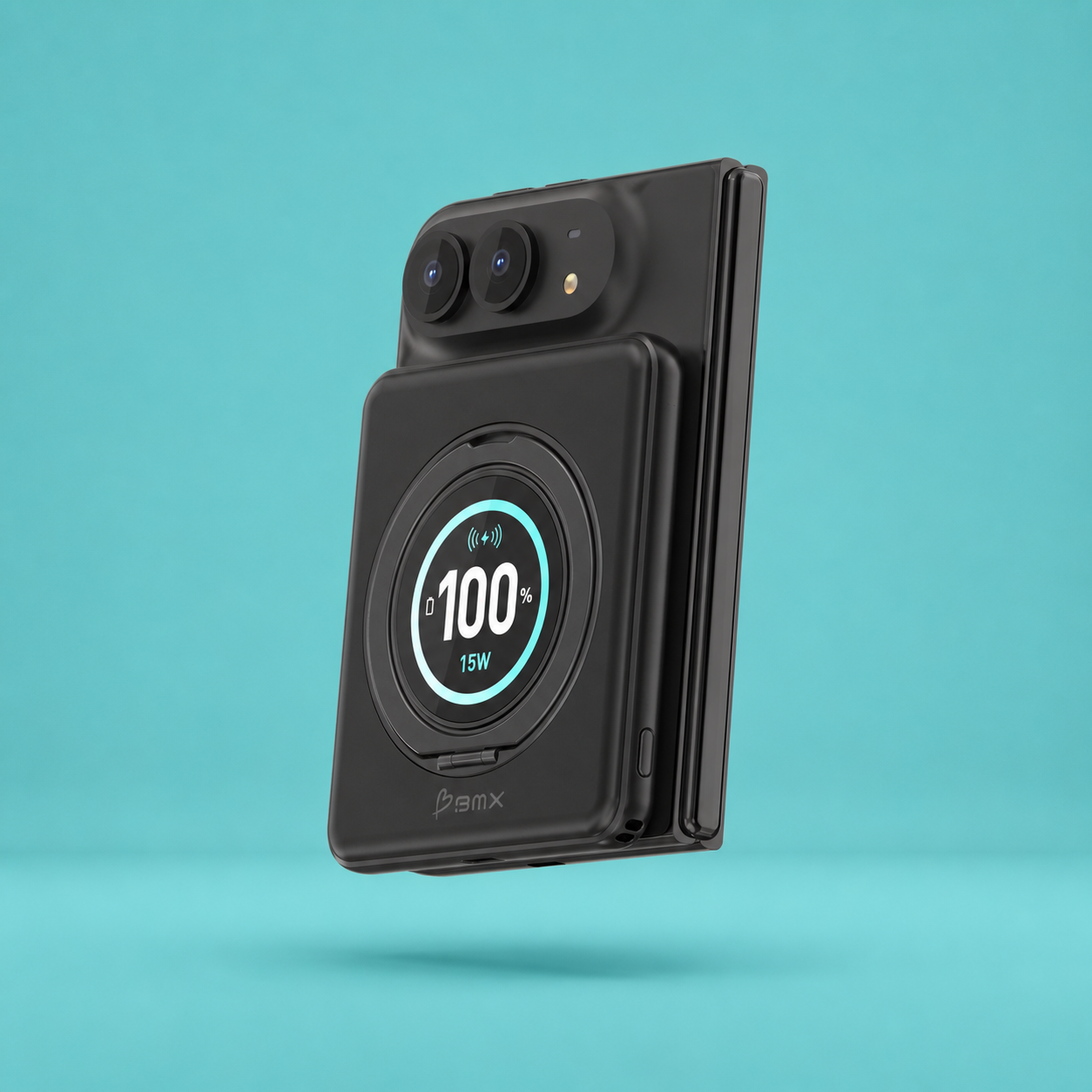
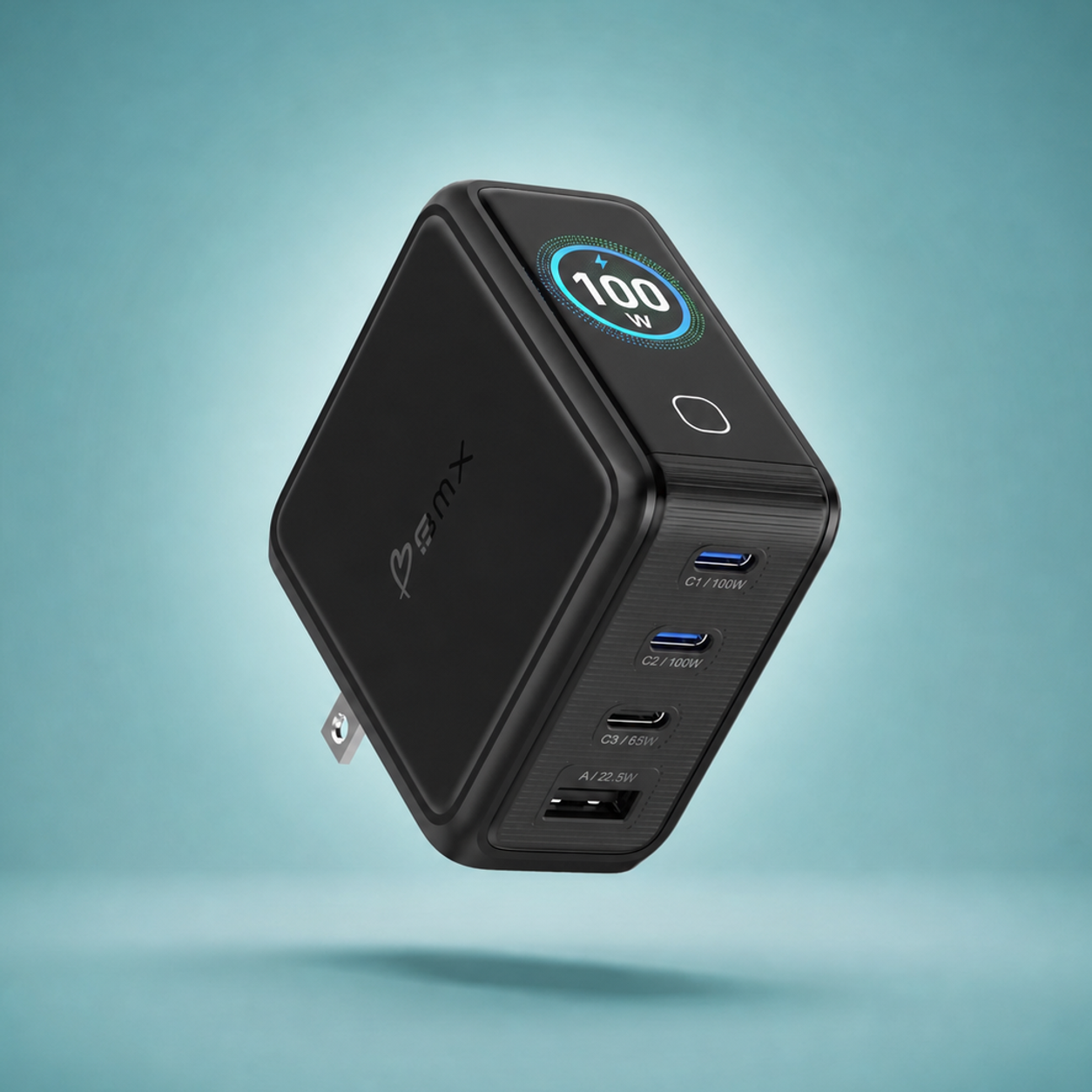
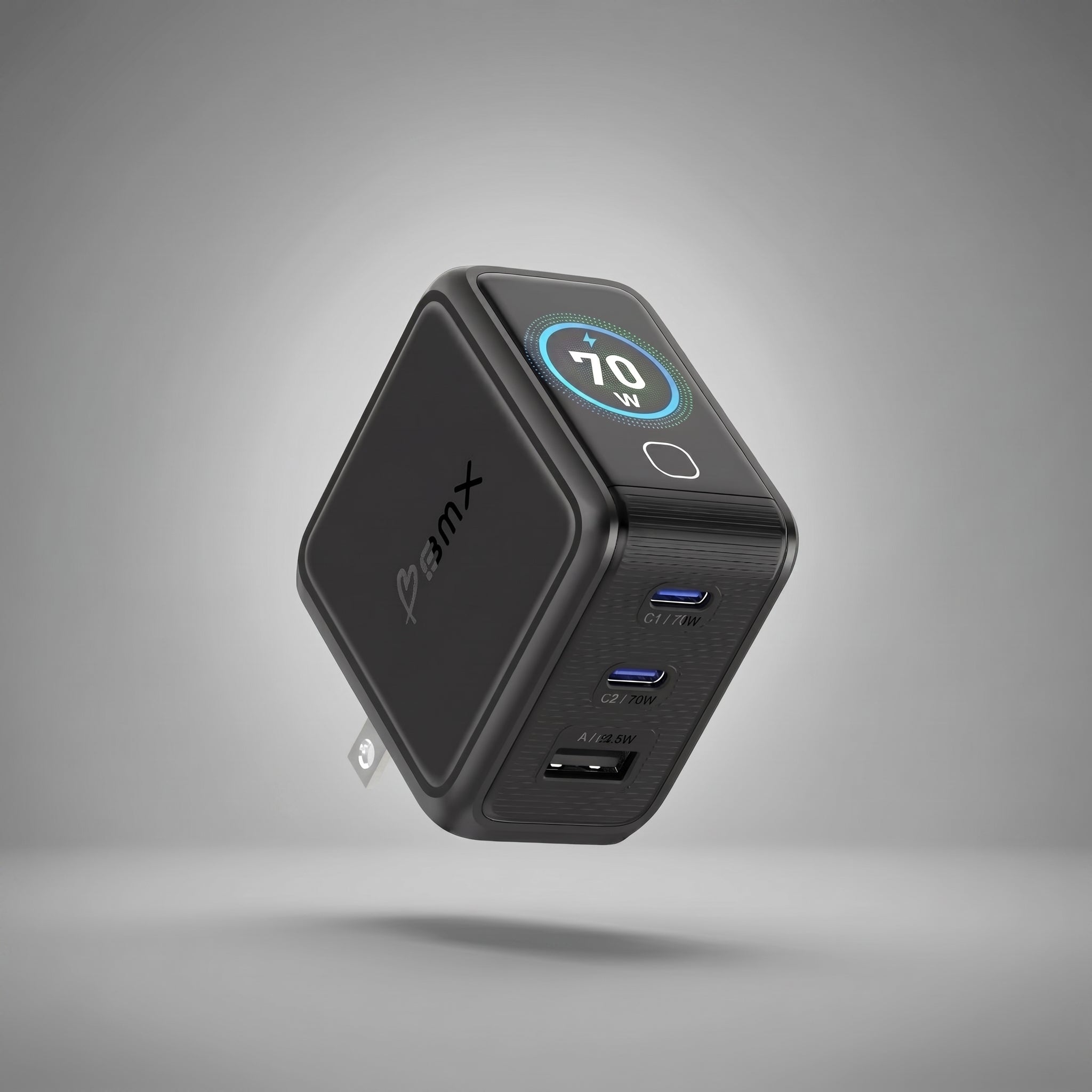
Every recall in the industry has been conventional lithium-ion. BMX SolidSafe banks use semi-solid-state cells with significantly less liquid electrolyte, which is the single most important variable in what happens at the failure stage. See the SolidSafe 10K →
Where you charge matters as much as what you charge
Fire investigators and lithium-ion engineers broadly agree on the same short list of habits. None of them are marketing. They are what firefighters tell their own families.
The five rules for safer overnight charging:
- Charge on a hard, open surface. A nightstand, a desk, a countertop. Never a bed, pillow, couch cushion, or the inside of a bag.
- Do not stack anything on top of it. Books, clothes, a laptop. Anything that traps heat is a problem.
- Use a quality cable and a known charger. Cheap, damaged, or counterfeit chargers are involved in a large share of reported incidents.
- Unplug visibly damaged or swollen banks immediately. Swelling, heat beyond warm, a plastic or chemical smell, or weird clicking noises all mean stop. Do not try to "finish the charge."
- Replace banks that are more than a few years old. Lithium-ion cells degrade with cycles and age. A five year old bank that still powers on is not automatically safe.
These rules apply to every power bank, including semi-solid-state. Chemistry changes what happens if a cell fails. It does not stop bedding from trapping heat or a bad cable from damaging a port. The habits are universal. Chemistry is the airbag, not the seatbelt.
Quick answer
Yes, you can safely charge a power bank overnight if it is a recent, non-recalled unit on a hard, open surface with a known good cable. The specific habit that caused most reported overnight fires is charging on a bed or under a pillow, not the fact that it was charging while you slept.
The "nightstand system" most people do not have
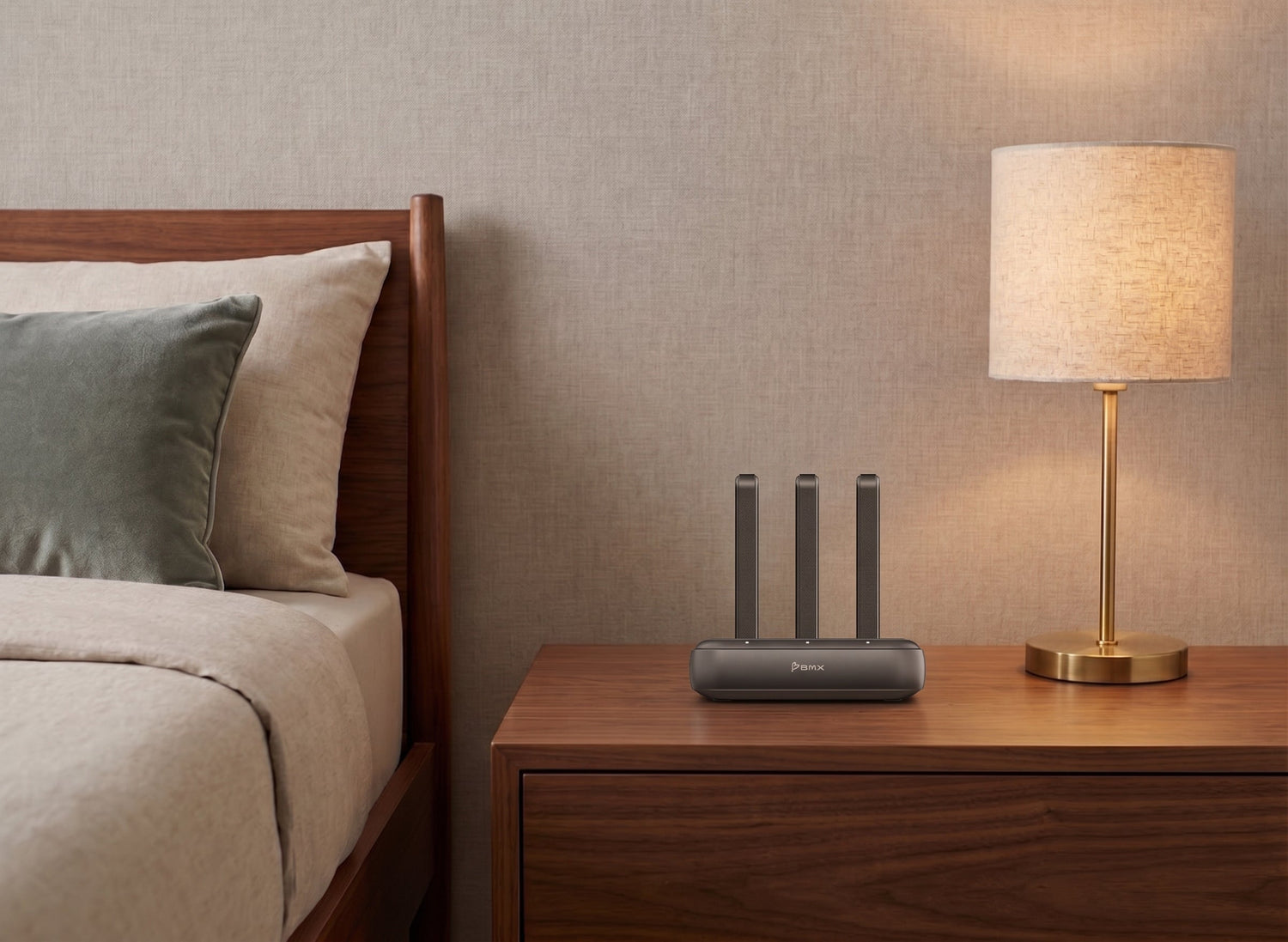
The real-world version of the five rules is not "remember every rule every night." It is a physical setup that makes the rules automatic. A home base next to your bed where power banks live, charge, and get grabbed on the way out. A dock and a hard surface. Nothing on top, nothing soft underneath.
This matters more than it sounds. If your power bank lives on the nightstand in a dock, it never ends up under the pillow, because it has somewhere else to be. If it lives in a bag, it gets charged in the bag, because that is where it sits. Behavior follows the setup. A dock, or at minimum a dedicated spot on a hard surface, is the difference between "I remember to charge safely" and "I never had to think about it."
The SolidSafe 3-Bay Dock was built around exactly this problem. Three banks charge side by side on a hard matte surface with no cables dangling. You grab one in the morning, drop the spent one in at night. Overnight charging is just where the bank lives. No special effort, no dangerous habits to avoid.

A dock on a hard, open surface is the habit. Nothing on top, nothing soft underneath, nothing to forget at 11pm.
Chemistry is the variable most buyers miss
Every safe-charging habit helps. But the thing that actually changes what happens when a cell fails is the chemistry inside it. Conventional lithium-ion power banks store energy between electrodes soaked in a flammable liquid electrolyte. When the cell fails, that liquid is the fuel. That is why thermal runaway on a lithium-ion cell looks violent.
Semi-solid-state chemistry replaces most of the free-flowing liquid electrolyte with a gel-like material. There is still some liquid content, this is not pure solid-state, and any brand promising "zero risk" or absolute safety is either overclaiming or misusing the terms. What semi-solid-state does is reduce the amount of flammable liquid present at the failure stage. Less fuel available if a cell fails, less violent thermal runaway, less of the cascading reaction that has driven the worst reported incidents.
The BMX SolidSafe line runs on semi-solid-state cells. In internal abuse testing, SolidSafe cells have been drilled, cut, and punctured while fully charged without producing fire or thermal runaway in the tested units. That does not mean the battery is impossible to fail, and BMX does not claim that. It means the failure mode has been engineered to look different from the failure mode of the cells that have been catching fire on beds.
For overnight charging specifically, that chemistry matters because the whole nightmare scenario, long unattended charge time on a soft surface, assumes the cell fails violently. Reducing the violence of the failure is the only variable that addresses the scenario itself. Every other rule is about avoiding the scenario. Chemistry is about surviving it.
The semi-solid-state line


The myths worth dropping
A lot of advice online is based on how batteries worked 15 years ago. Modern lithium-ion cells have a battery management system, or BMS, that handles charging and discharging. That chip changes what you actually need to worry about.
"Unplug it the moment it hits 100%." Not necessary for any modern power bank. The BMS stops accepting input once the cells are full. A quality power bank left plugged in at 100% overnight is not "overcharging," it is just sitting there. The small amount of heat from trickle current is far less than the heat from a soft surface wrapped around it.
"Never leave it plugged in when you go to sleep." This conflates two different risks. Long unattended charging matters, but only because it gives any pre-existing fault time to develop. A healthy, recent, non-recalled bank on a hard surface with a good charger is not doing anything overnight that it is not doing during the day.
"You have to fully drain and refill it." No. That advice is a holdover from nickel-cadmium batteries from decades ago. Lithium-ion cells actually last longer with regular partial charges than full drain-and-refill cycles. Top it up when it is convenient.
"Cold makes batteries safer." Very cold temperatures can damage cells and should be avoided for long storage, but a normal indoor nightstand is not cold enough to matter. Extreme heat, over roughly 100 degrees Fahrenheit, is the actual risk factor, which is why a power bank in a parked car is a worse place to leave one than a bedroom.
"Only certain brands are dangerous." Mostly false. Every major recent recall was lithium-ion chemistry, across many different brands and price points. The chemistry is the shared factor, not the logo. That is also why chemistry-over-brand is a better evaluation framework than brand loyalty.
The honest bottom line
Charging a power bank overnight is not the dangerous part. Charging a power bank overnight on a pillow, with a cheap cable, using a five year old recalled unit, is the dangerous part. The separable pieces of that sentence are within your control.
Pick a hard, open charging spot. Give the bank somewhere to live that is not a bag or a bed. Use a cable and a charger you trust. Replace banks that are old, swollen, or on a recall list. And if you want to change the math at the failure stage too, not just the habit stage, pick a chemistry that is not the one causing the fires.
You should be able to charge next to your bed without thinking about it. That is the outcome this post is aimed at. The BMX SolidSafe line was built around that outcome.
SolidSafe Power Banks
The power bank you do not think twice about charging next to your bed.
Semi-solid-state cells, CCC certified, zero recalls across the chemistry to date. Engineered so the failure mode you are worried about is the failure mode the cells were tested against.
See SolidSafe Power BanksFrequently Asked Questions
Is it safe to leave a power bank charging overnight?
Yes, if it is a recent, non-recalled bank on a hard, open surface with a known-good cable and charger. The overnight fires reported in the news were almost always on a bed, under a pillow, inside a bag, or with an aging or damaged unit. The duration of the charge is much less important than where it is charging and what chemistry is inside.
Can a power bank catch fire while charging overnight?
It is possible but rare. The fires that get reported are almost always lithium-ion banks with a pre-existing fault, charging on bedding or another soft surface that trapped heat and provided fuel. Semi-solid-state banks have significantly less flammable liquid electrolyte inside the cell, which changes the fuel available at the failure stage. The charging habits in this post apply regardless of chemistry. No chemistry gives you a pass on charging under a pillow or using a damaged cable.
Can you overcharge a power bank?
Not with any quality modern power bank. The built-in battery management system stops accepting input once the cells are full. The bank may draw small amounts of power to stay topped up, but it is not overfilling the cells. Unplugging at 100% is not required for safety, though it is fine as a habit.
How long should you charge a power bank?
Until it is full. For a 10,000mAh bank with a 27W input, that is typically 2 to 4 hours on a USB-C PD charger. For a 5,000mAh bank, usually 1.5 to 2.5 hours. There is no benefit to charging longer, and no harm in the bank being on a charger past full, as long as it is on a hard surface with room for heat to escape.
Can I charge my power bank on my bed?
Do not. A bed traps heat around the bank and provides fuel if anything goes wrong. Most of the overnight fires documented by CPSC and reported in news coverage happened on beds, pillows, or couch cushions. Use a nightstand, desk, counter, or any hard surface with air around it.
How do I know if my power bank is unsafe?
Stop using it immediately if it is swollen, deformed, unusually hot during charging or use, smells like chemicals or plastic, clicks or pops, or shows burn marks. Also check CPSC.gov for active recalls by model number. If any of those conditions apply, unplug it, move it to a hard, non-combustible surface (ceramic or metal), and follow local lithium battery disposal guidance. Do not try to finish the charge.
Does semi-solid-state actually change overnight safety?
It changes the fuel available at the failure stage, not the probability of failure itself. Semi-solid-state cells contain significantly less liquid electrolyte than conventional lithium-ion, which reduces the amount of flammable material present if a cell fails. In internal abuse testing, SolidSafe cells have been drilled, cut, and punctured while fully charged without producing fire or thermal runaway in the tested units. That does not make any battery impossible to fail, and BMX does not claim otherwise. Good charging habits still matter regardless of chemistry. The best case is safer chemistry and safer habits together.
Related guides
- Why Do Power Banks Catch Fire? The Chemistry Behind Battery Fire
- Safest Power Banks in 2026: Semi-Solid-State Buying Guide
- Semi-Solid-State Batteries Explained: What "Less Liquid" Actually Changes
- Thermal Runaway Explained: What It Is and Why Airlines Care
- Power Bank Rules on Planes: The 2026 Update Every Traveler Needs


Leave a comment
This site is protected by hCaptcha and the hCaptcha Privacy Policy and Terms of Service apply.